 +1 (561) 644-3311
  info@floodresponseassistance.com
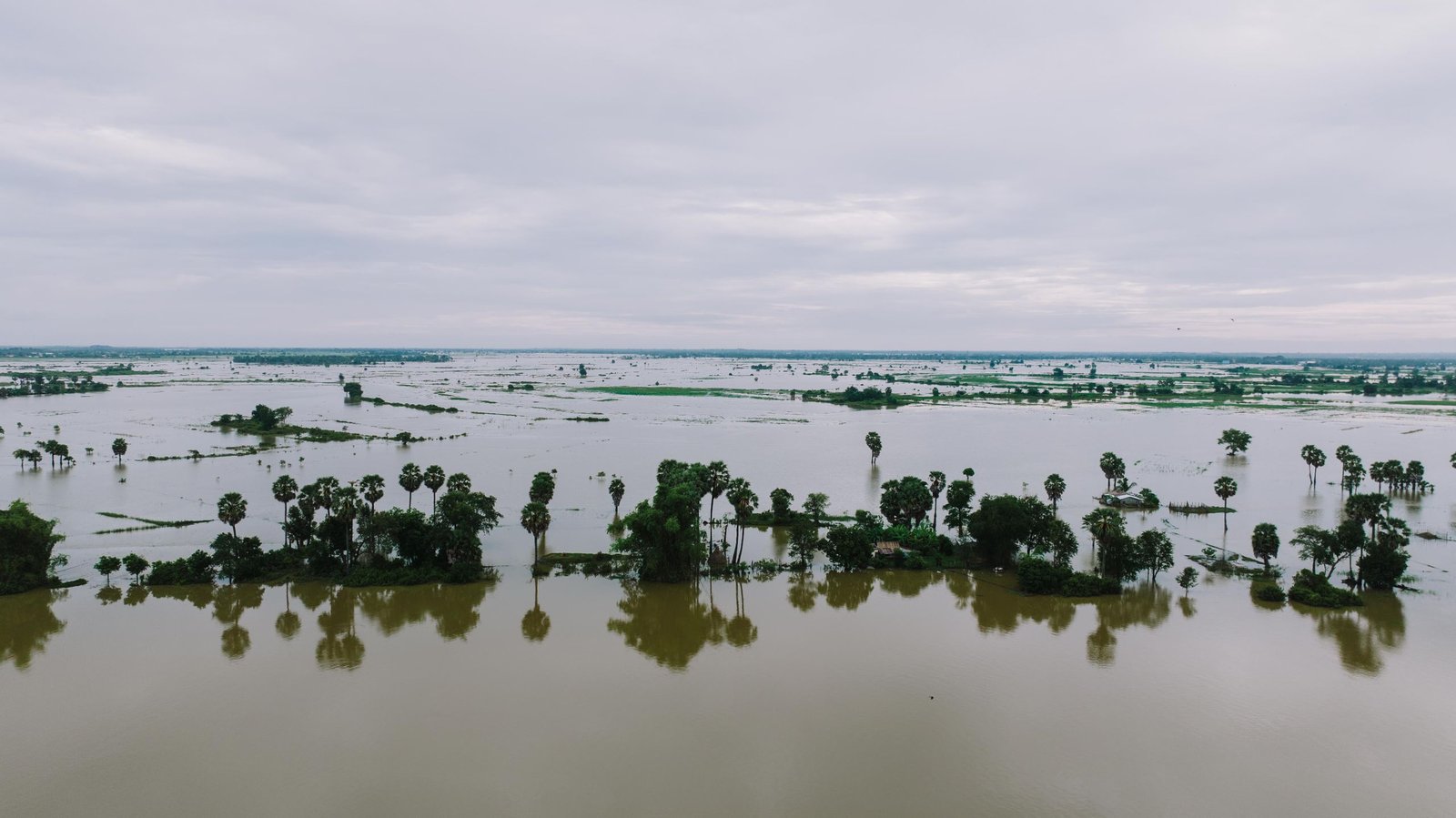
Rethinking Flood Solutions in a Climate Change World
For most of the last century, flood protection meant one thing: sandbags, stacked in a hurry when the water started rising. It was reactive, labor-intensive, and – as anyone who’s watched water seep straight through a sandbag wall knows – often not enough. In a stable climate, that approach was at least predictable. But the climate is no longer stable, and the old playbook can’t keep up.
Today’s flood solutions look nothing like the ones our parents relied on, and the shift isn’t a matter of preference. It’s a matter of necessity.
Why the Old Approach is Failing
Climate change has changed flooding in three specific ways that break traditional protection:
- Floods are more frequent – Heavier, more intense rainfall events are arriving more often, giving properties less recovery time between them.
- Floods are less predictable – Water is now reaching places it never used to – inland areas, higher ground, neighborhoods far from any river or coast. Around a quarter of flood insurance claims already come from outside high-risk zones, and that share is growing as development reduces natural drainage.
- Floods are more severe- When storm systems and drainage infrastructure are overwhelmed, the resulting flooding is deeper and more damaging than the maps predict.
Reactive, one-size-fits-all measures were never designed for this. Modern flood solutions are built around a different assumption: that flooding can happen anywhere, arrive fast, and hit hard, so protection has to be proactive, tailored, and ready in advance.
What Modern Flood Solutions Actually Look Like
Effective protection today is a layered system, not a single product. It spans four connected stages:
1. Understand the risk first – You can’t protect a property you haven’t assessed. A professional flood risk assessment identifies exactly where and how water will reach a property – the modern replacement for guessing based on an outdated floodplain map.
2. Match protection to the property – Every building floods differently. Modern solutions range from removable flood panels and permanent barriers to flood vent installation that relieves structural pressure in enclosed spaces. The right mix depends on the property’s specific vulnerabilities, not a generic template.
3. Plan and rehearse deployment – A barrier that no one knows how to deploy in time isn’t protection. Modern flood solutions include planning and deployment – emergency plans, mock deployments, and 24/7 response – so that when a threat arrives, the response is practiced rather than improvised.
4. Maintain readiness year-round – Flood products degrade, personnel change, and risk profiles shift. Routine inspections and maintenance keep protection reliable so it performs when it’s finally needed.
Proactive Bats Reactive — Every Time
The through-line of modern flood solutions is simple: act before the water rises, not during. A property that’s been assessed, equipped with the right protection, and rehearsed for deployment will weather a flood that would devastate a property relying on last-minute sandbags. In a climate that’s making floods more common and less predictable, that head start is everything.
Flood Response Assistance, represented by Flood Risk America, delivers flood solutions across the full cycle – assessment, products, planning, deployment, and maintenance. Contact us to build a modern flood solution around your property’s real risk.