 +1 (561) 644-3311
 info@floodresponseassistance.com
Hurricane Isaias: What Our Team Did
For most of 2026, the Atlantic hurricane season was quiet. Suspiciously quiet. June, July, August, and September came and went without a single hurricane, and plenty of property owners started to relax.
Then Hurricane Isaias showed up in October and reminded everyone of the oldest rule in flood protection: it only takes one storm.
This is our debrief on Isaias: what we saw before landfall, what our team did during the storm, how we supported clients after it passed, and the lesson we keep relearning every season.
Hurricane Isaias At a Glance
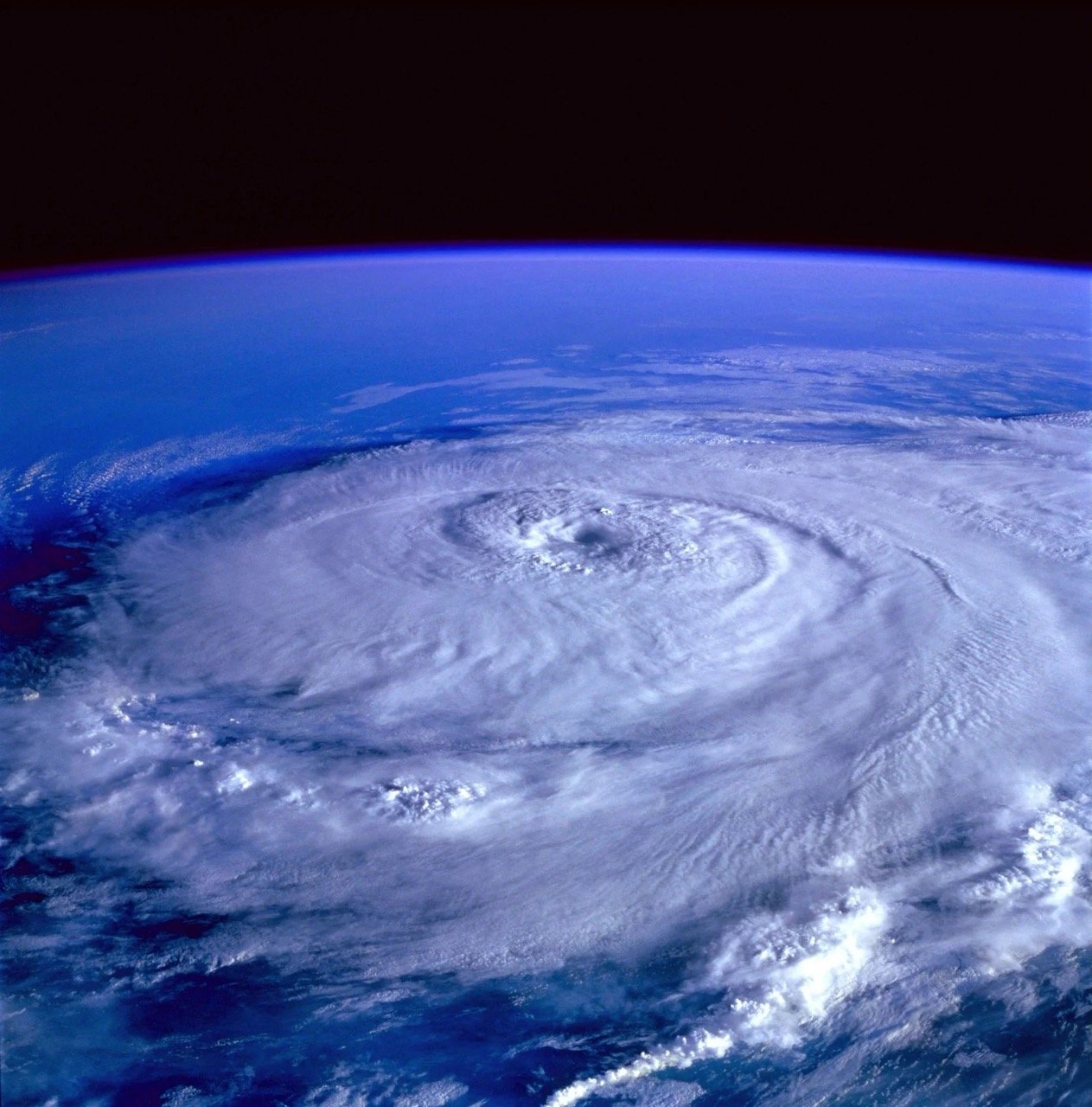
Isaias became the first hurricane of the 2026 Atlantic season late on October 7, missing the record for the latest-ever first hurricane by a single day. Forecasters credited a strong El Niño, whose wind shear tore apart storms all summer, for the slow start.
The storm intensified quickly over the Gulf. By the morning of October 9, it had reached 120 mph and major hurricane status, with storm surge forecasts of up to seven feet in some locations.
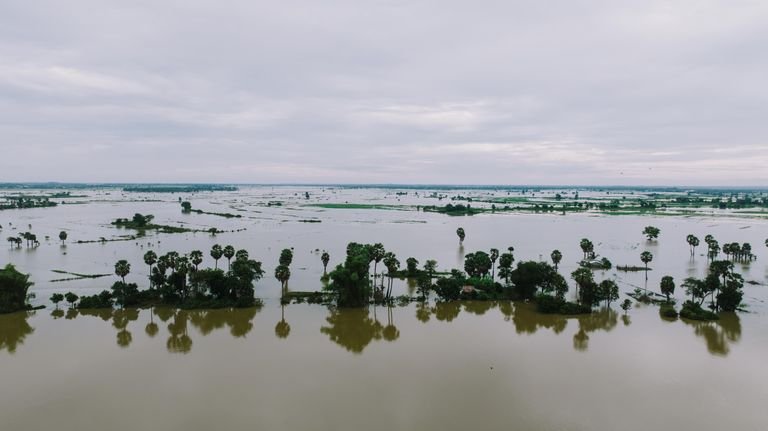
Isaias made landfall near Destin, Florida, on October 9 as a Category 2 hurricane with 105 mph winds. Roads flooded in Destin, debris blocked streets in Pensacola, and parts of southern Alabama took on water. More than 594,000 customers across Florida and Alabama lost power that evening.
Before the Storm – Calls For Protection
The moment Isaias showed up in the forecast cone, our phones and inboxes lit up. Property managers, building owners, and business operators wanted the same thing: flood barriers, flood panels, sandbag alternatives, and someone to install them. Fast.
We understand that instinct. Watching a storm track toward your property is stressful, and wanting to do something is human. But many of those calls came in with only a day or two before landfall. Some came in while tropical storm conditions were already arriving.
The calls didn’t stop when the storm hit, either. We heard from people during the storm and in the days after, many of them hoping to get protected before the next system. The urgency is real, but the timing is the problem.
During the Storm – 24/7 Deployment Team
While the phones rang, our crews were already on the move for the properties that had planned ahead.
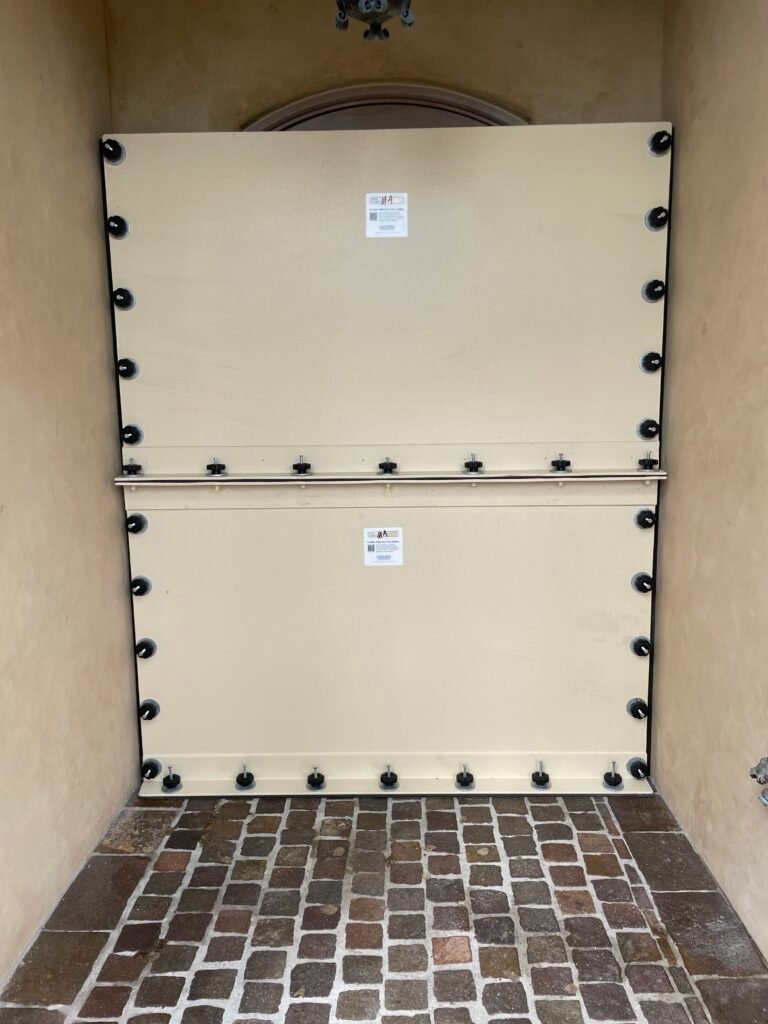
Clients enrolled in our 24/7 deployment services didn’t have to call us, scramble for products, or wonder whether a crew was available. Their flood panels were already on site, their deployment plans were already written, and their spot on our schedule was already reserved. When Isaias reached the trigger point in their plans, our team showed up and installed their panels before the water did.
That is the whole point of a deployment agreement. During a storm, the scarcest resources aren’t flood products – they are time, trained crews, and safe travel conditions. Our 24/7 clients locked those in months earlier, so when it mattered, they got our full attention.
After the Storm – Support & Maintenance
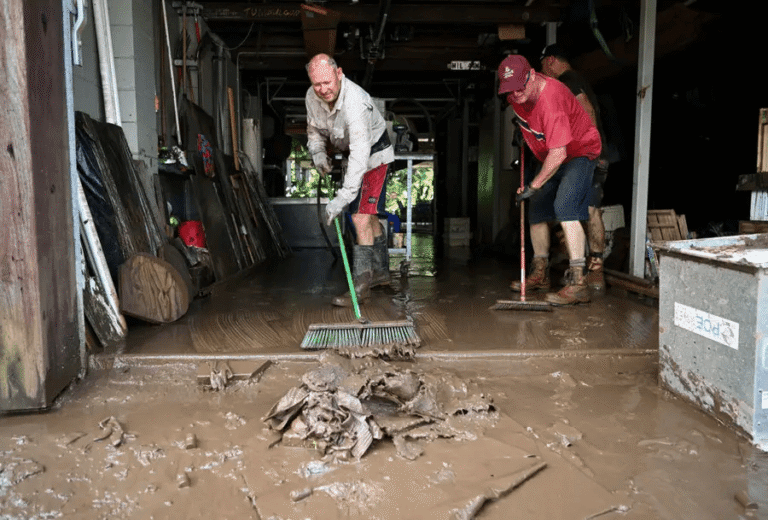
Our work didn’t end when Isaias moved inland. Once conditions were safe, our team returned to client properties to remove panels and get their flood protection ready for whatever comes next.
Post-storm support included:
- Panel removal and inspection – We checked panels, frames, and mounting points for damage, debris, or wear after exposure to wind, rain, and standing water.
- Seal and gasket checks – Seals take the most punishment in a flood event. A compromised gasket can let water through next time, so we inspected and flagged anything that needed attention.
- Cleaning and maintenance – Saltwater, silt, and debris can shorten the life of flood products if they are left to sit. We cleaned components and serviced them before returning them to storage.
- Storage and readiness – Products went back where they belong, labeled and organized, so the next deployment is just as fast as this one.
A flood panel only works if it is ready to work. Post-storm maintenance is how we make sure the protection our clients paid for is still there for the next storm.
Why Last-Minute Flood Prep Doesn’t Work
Here is the honest truth: by the time a hurricane is in the forecast, it is usually too late to put real flood protection in place. Not because anyone isn’t willing to help, but because of how flood protection actually works.
- Quality flood barriers are measured, not grabbed off a shelf – Panels and barriers are sized for specific openings. That takes a site assessment, measurements, and lead time to produce.
- Mounting hardware needs to be installed in advance – Many systems rely on permanent tracks or anchors. You can’t install those during a tropical storm warning.
- Crews are already committed – When a storm approaches, trained installers are deploying for clients who planned ahead.
- Conditions become unsafe – Once wind and rain arrive, installation work stops. Emergency response even paused in some Panhandle counties during Isaias.
Panic purchases often miss the mark. Products bought in a rush may be the wrong size, the wrong type, or impossible to install correctly without a plan. The result? Many people who called during the Isaias scramble spent a stressful weekend hoping for the
best instead of knowing they were protected.
Flood Prep Should Happen in the Quiet Season
The best time to prepare for a hurricane is when there isn’t one. The off-season gives you time to make good decisions, get accurate measurements, and secure a spot on a deployment schedule before everyone else needs one.
Here is what we recommend doing between storms:
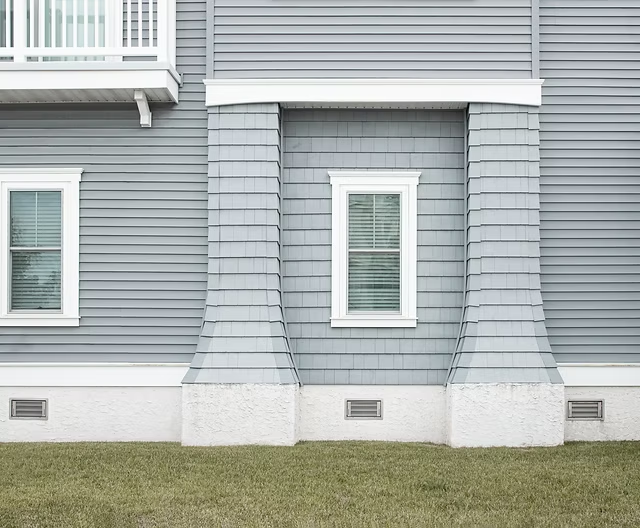
- Get a flood risk assessment – Identify every vulnerable entry point, from doors and garage openings to vents and equipment enclosures.
- Choose the right flood products – Match barriers and panels to your property, flood risk, and staffing, rather than whatever is left in stock.
- Write a deployment plan – Decide who does what, when deployment is triggered, and where products are stored.
- Secure 24/7 deployment services – If you don’t have staff who can safely deploy during an emergency, reserve a team that will.
- Schedule regular maintenance and test runs – Inspect seals, hardware, and panels, and do a practice deployment so there are no surprises.
When you do this ahead of time, you have peace of mind knowing you are already prepared for when the storm does come.
It Only Takes One Storm
The 2026 season will likely be remembered as a quiet one. But for property owners along the Gulf Coast, “quiet” didn’t matter much once Hurricane Isaias made landfall. One storm was enough to flood roads, knock out power for hundreds of thousands, and send people racing for protection that was no longer within reach.
The properties that came through Isaias with the least stress weren’t the luckiest. They were the ones that prepared during the calm.
Hurricane season winds down soon, which makes right now the perfect time to start planning for next year. Contact Flood Response Assistance to schedule a flood risk assessment, build a deployment plan, or ask about our 24/7 deployment and maintenance services. Let’s get you ready not just before the storm, but all year round.