 +1 (561) 644-3311
  info@floodresponseassistance.com
10 Flood Myths That Could Cost You (And the Truth Behind Them)
Flooding is one of the most common and costly natural disasters, and one of the most misunderstood. Persistent flood myths lead property owners to under-prepare, skip protection they need, and make dangerous decisions when water is rising. Here we debunk ten of the most stubborn flood myths so you can protect your property and your people based on facts, not assumptions.
Myth #1: “It won’t happen to me – I don’t live near water.”
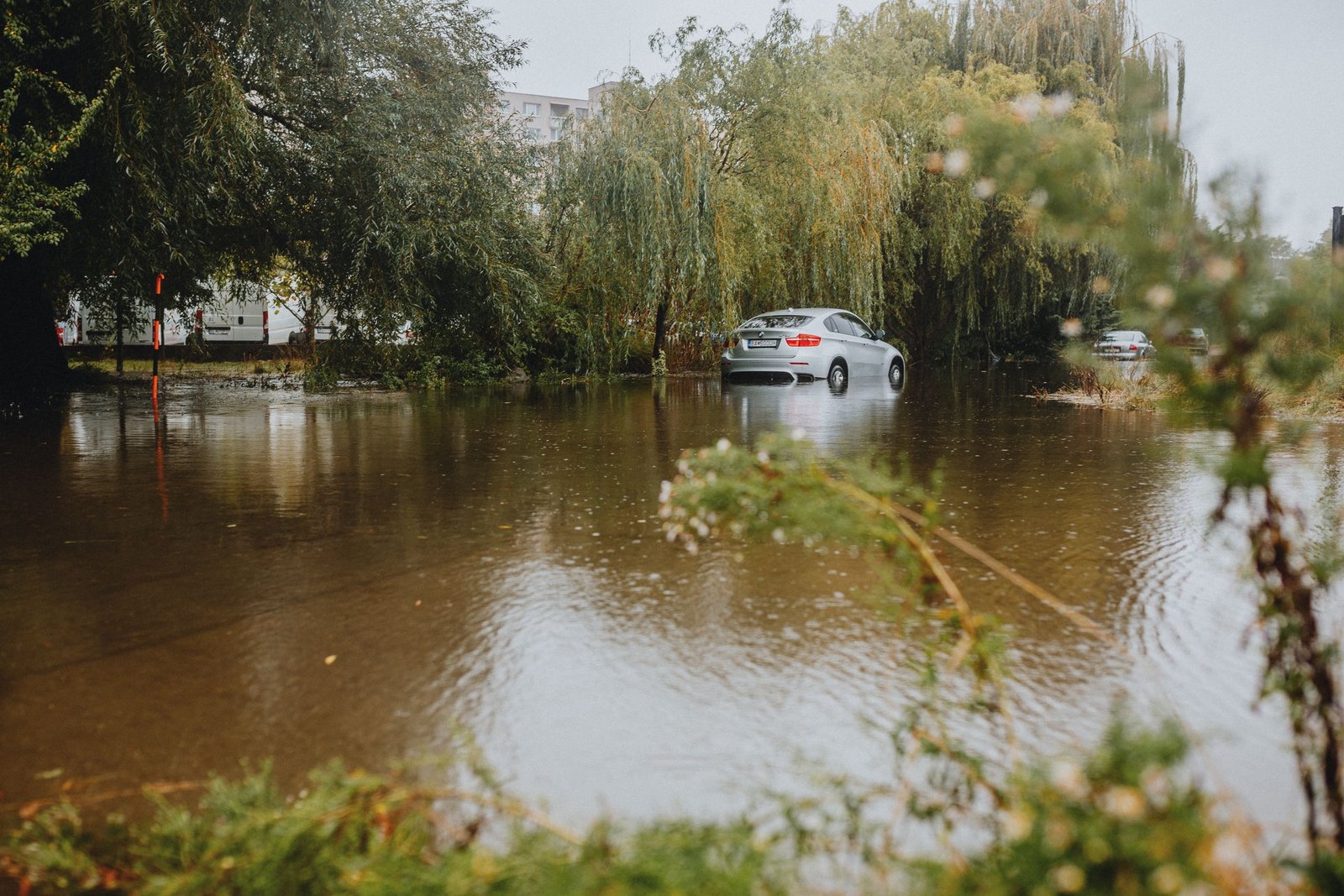
Debunked. Floods can occur almost anywhere. Heavy rainfall, clogged drainage, urban development, and snowmelt cause flooding far from any river, lake, or coast. In fact, roughly 25% of flood insurance claims come from properties outside high-risk zones – and inland flooding is rising as development reduces natural drainage.
Myth #2: “A few inches of water can’t cause much damage.”
Debunked. Just one inch of water inside a building can cause thousands of dollars in damage – ruined flooring, walls, furniture, and electrical systems. Mold can begin growing within 24–48 hours, adding health risks to the repair bill. Minor flooding’s damage is often hidden, but rarely minor.
Myth #3: “Turn around? I can just drive through it.”
Debunked. This myth is the deadliest on the list. Just 12 inches of moving water can carry away most vehicles, and 6 inches can knock an adult off their feet. You can’t reliably judge water depth or current from behind the wheel, and floodwater often hides washed-out road beneath it. Turn around – don’t drown.
Myth #4: “Only hurricanes cause flooding.”
Debunked. Hurricanes are a major source, but far from the only one. Flash floods, heavy rain, snowmelt, storm surge, and failed dams or levees all cause devastating floods – year-round, in every region. Understanding the different types of floods is key to preparing for them.
Myth #5: “My homeowner’s or business insurance covers flooding.”
Debunked. Standard property policies almost never cover flood damage – it typically requires separate flood insurance through the NFIP or a private insurer. Many property owners discover this gap only after a flood, when it’s far too late. Check your coverage before you need it.
Myth #6: “Floodplain maps are always accurate and up to date.”
Debunked. Most floodplain maps are outdated. Environmental change, development, and shifting weather patterns alter flood risk faster than maps are revised. That’s why map data should be supplemented with a current, property-specific flood risk assessment from professionals who evaluate your actual exposure.
Myth #7: “Flood panels are only worth it for high-risk zones or major floods.”
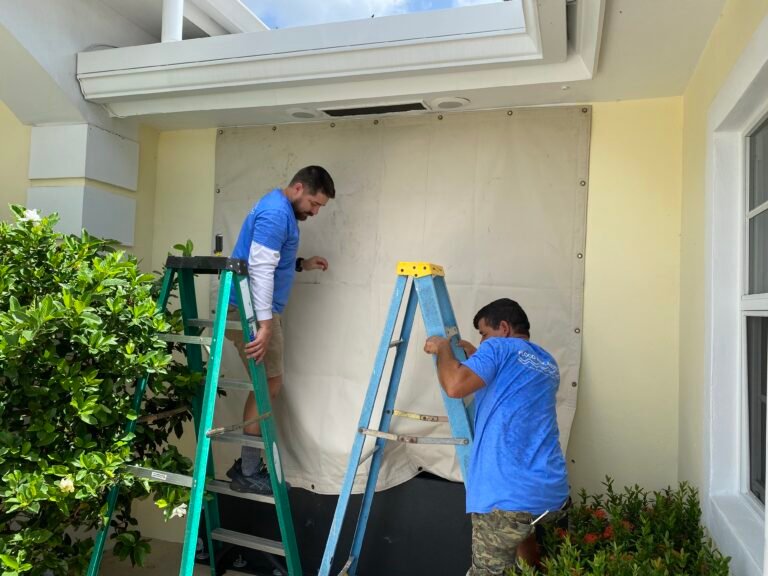
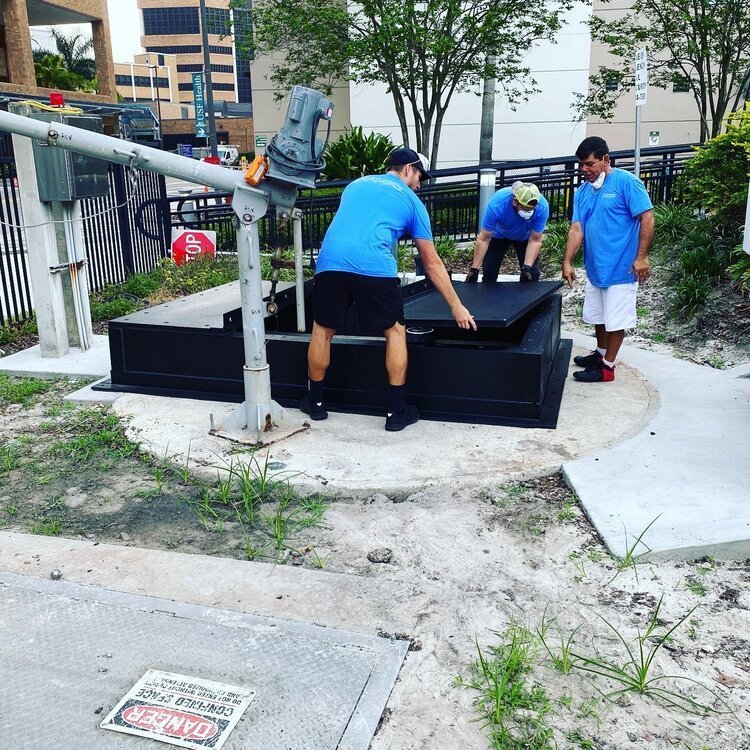
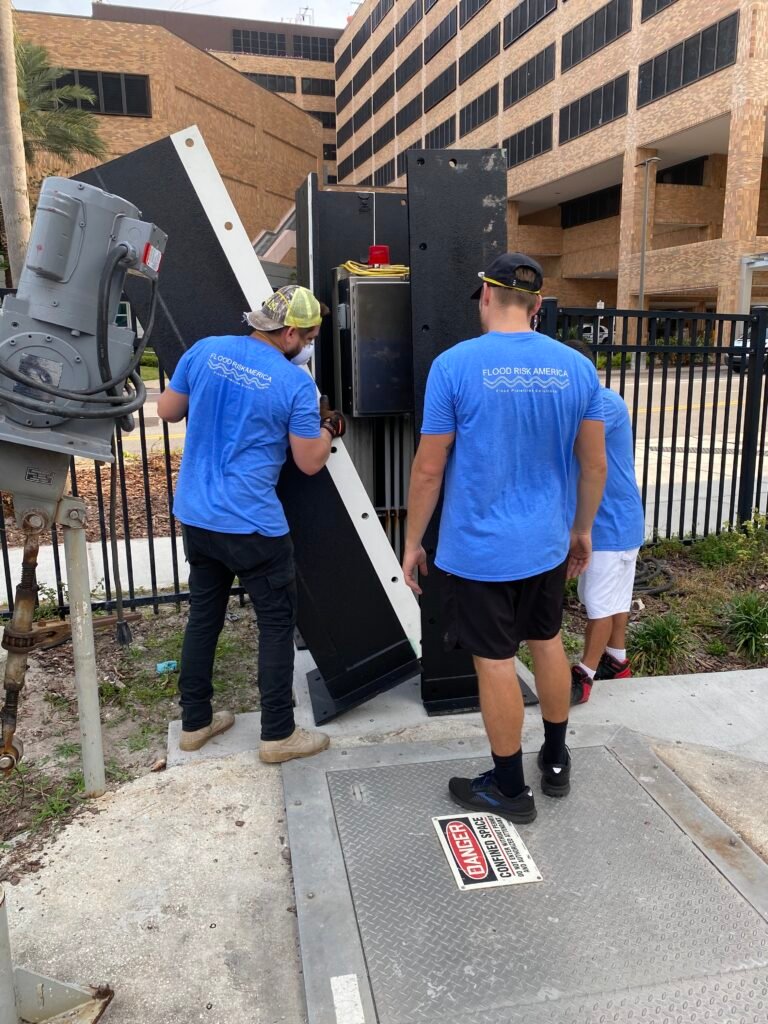
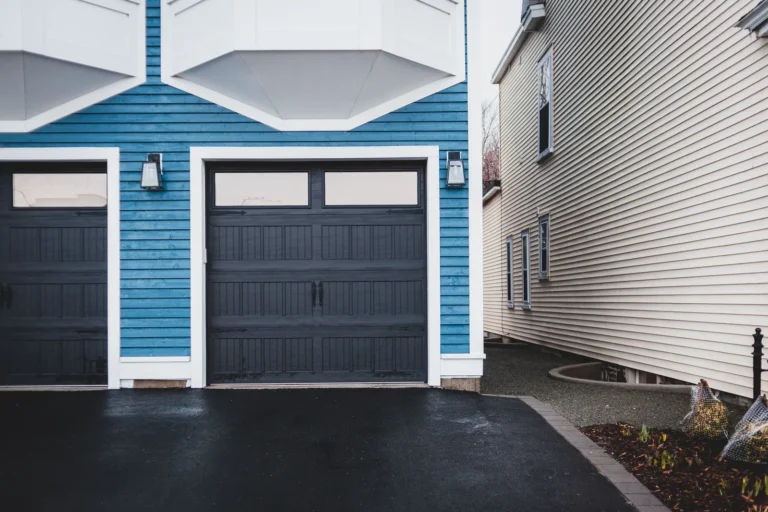
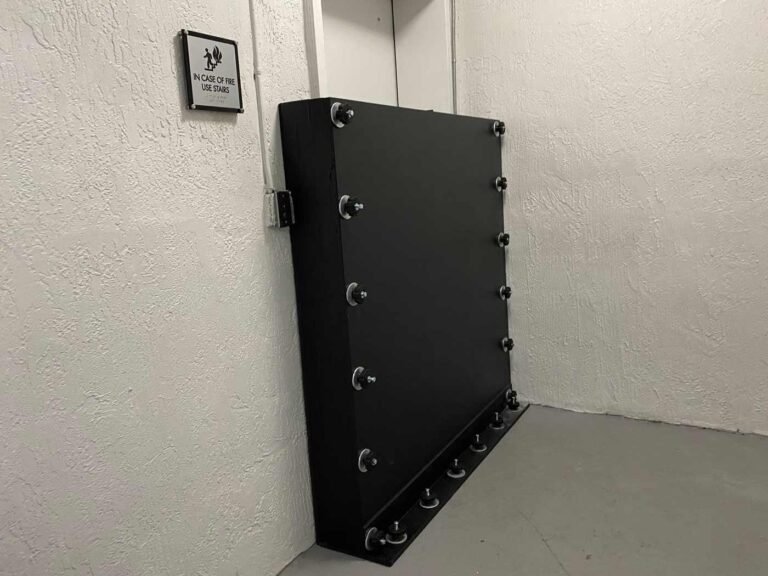
Debunked. This is really three myths in one – that panels only matter in high-risk zones, only help in large floods, and only work for certain flood types. None hold up. Flooding happens everywhere, even a minor flood causes major damage, and quality flood panels seal against virtually any scenario – flash, river, or urban. Panels are a proactive measure that pays off regardless of your zone or the flood’s size.
Myth #8: “I rent, so flooding isn’t my problem.”
Debunked. Renters have plenty at stake. A landlord’s policy covers the building, not a tenant’s belongings – and flood damage to furniture, electronics, and personal property can run into the thousands. Renters can carry their own flood coverage and should understand their building’s flood risk before signing.
Myth #9: “Once the flood is over, the danger is gone.”
Debunked. The aftermath can be as hazardous as the flood itself: structural damage, contaminated water, mold growth, compromised electrical systems, and soil erosion all pose real risks. Cleanup and restoration require caution to protect your health and safety.
Myth #10: “Flood control structures like dams and levees eliminate flood risk.”
Debunked. Dams and levees reduce risk – they don’t erase it. They can be overwhelmed or fail in severe weather, and relying on them alone breeds a false sense of security. Targeted protection like flood panels adds a critical layer, sealing vulnerable openings where large infrastructure leaves gaps.
And remember: effective flood response is never just products. It combines emergency planning, deployment, insurance, and preparation – starting well before the water rises.
Don’t Let Flood Myths Leave You Unprepared
Most flood damage isn’t caused by bad luck – it’s caused by bad assumptions. Swap these flood myths for facts, and you can protect your property proactively instead of reacting when it’s already too late.
Ready to build real protection? Contact Flood Response Assistance to assess your risk and put the right defenses in place.