 +1 (561) 644-3311
  info@floodresponseassistance.com

Flood Risk Assessment for Planning: What Property Owners and Developers Need to Know
Whether you’re a property developer, a facilities manager, or a municipal planner, understanding flood risk before you build – or before disaster strikes – is not just smart practice. In many jurisdictions, it’s a regulatory requirement. A thorough flood risk assessment for planning purposes can protect lives, reduce financial exposure, and ensure long-term resilience for your property or project.
At Flood Response Assistance, we conduct professional flood risk assessments for commercial properties, mixed-use developments, critical infrastructure, and government facilities. Here’s what you need to know about the process, why it matters, and what to expect.
What Is a Flood Risk Assessment?
A flood risk assessment for planning is a systematic evaluation of a property’s or site’s susceptibility to flooding – now and in the future. It examines the likelihood of various flood scenarios, their potential severity, the consequences for people and property, and the mitigation options available.
Flood risk assessments are used in several contexts:
- Pre-development planning to determine site feasibility and guide design decisions
- Building permit applications in flood-prone areas or Special Flood Hazard Areas (SFHAs)
- Insurance underwriting and risk classification for commercial and institutional properties
- Emergency management planning at the property, campus, or municipal level
- Post-flood analysis to improve resilience after an event
Why Flood Risk Assessment Matters for Planning
Flood risk is not static. It changes with climate patterns, upstream land development, infrastructure aging, and sea level rise. A property that has never flooded is not necessarily a safe property – it may simply not have been tested yet.
According to FEMA, flooding is the most common and costly natural disaster in the United States, involved in 90% of all federally declared disasters – with annual damages now costing between $179.8 and $496 billion per year according to the Congressional Budget Office.
For commercial properties and infrastructure projects, failing to assess flood risk during the planning phase can result in:
- Structural damage to buildings and critical systems
- Business interruption and revenue loss during recovery
- Regulatory non-compliance and permitting delays or denials
- Increased insurance premiums or inability to obtain coverage
- Long-term reputational damage for developers and building owners
Proactive assessment eliminates uncertainty and creates a documented foundation for decision-making – one that regulators, insurers, and lenders will recognize and respect.
Key Components of a Flood Risk Assessment
A professional flood risk assessment is not a one-size-fits-all checklist. The depth and scope of the assessment depends on the property type, location, regulatory context, and intended use. However, most comprehensive assessments share the following components:
1. Site Analysis
Evaluates the physical characteristics of the site and surrounding watershed – topography, soil type, drainage patterns, impermeable surface coverage, and proximity to rivers, coastlines, or storm infrastructure. This establishes the baseline conditions from which risk is measured.
2. Flood Hazard Identification
Determines the flood sources that could affect the site: fluvial (river) flooding, pluvial (surface water) flooding, coastal or tidal flooding, groundwater flooding, or sewer surcharging. Many properties face multiple simultaneous flood sources, which must be analyzed both independently and in combination.
3. Probability and Frequency Analysis
Flood risk is expressed as an annual exceedance probability (AEP). A 1% AEP event – commonly called a 100-year flood – has a 1% chance of occurring in any given year. Assessments typically model multiple return periods (10-year, 50-year, 100-year, 500-year) to understand a full spectrum of scenarios.
4. Consequence Assessment
Translates flood hazard into potential impacts: depth and velocity of floodwater, duration of inundation, damage to structures and contents, life-safety risk, and operational disruption. For commercial and institutional properties, consequence modeling helps prioritize mitigation investments.
5. Residual Risk and Mitigation Planning
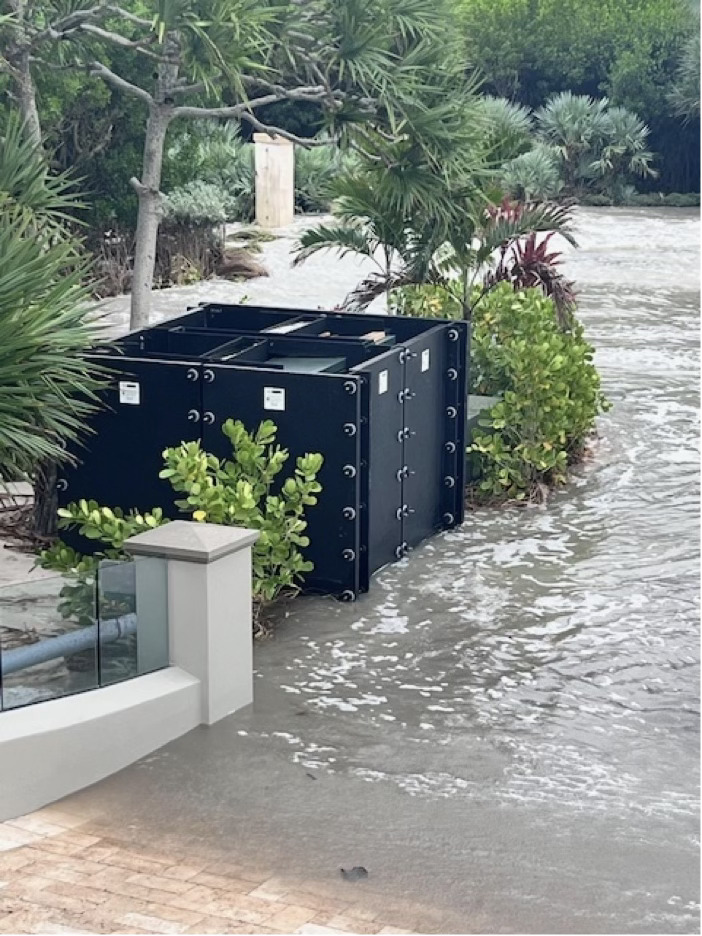
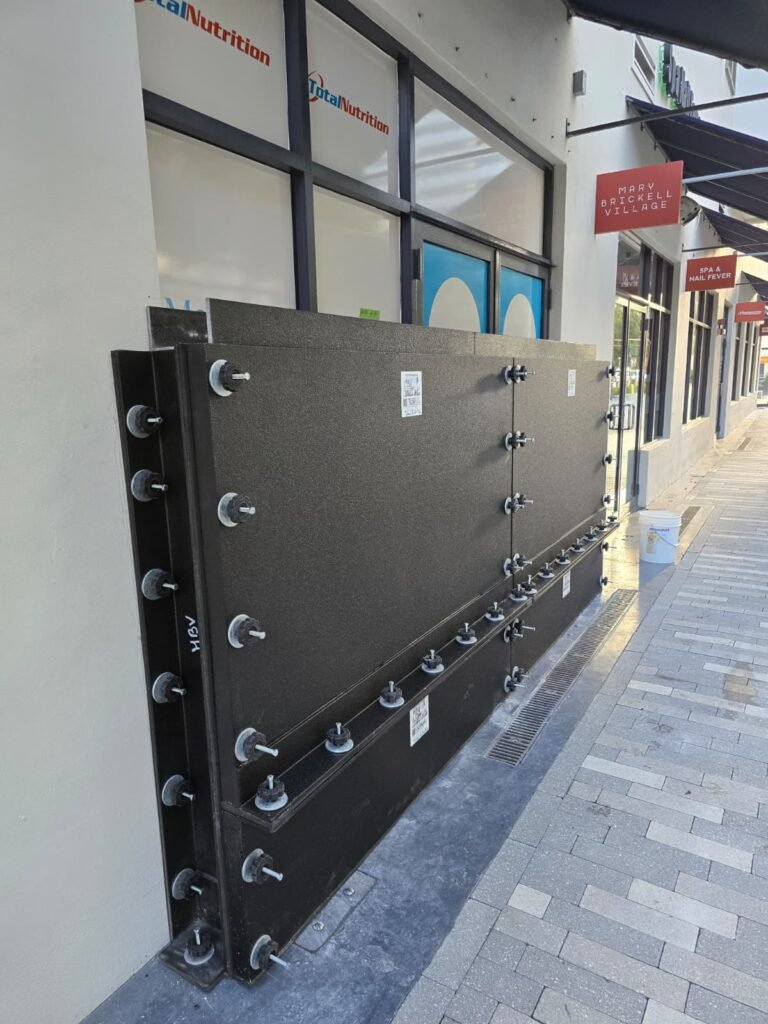
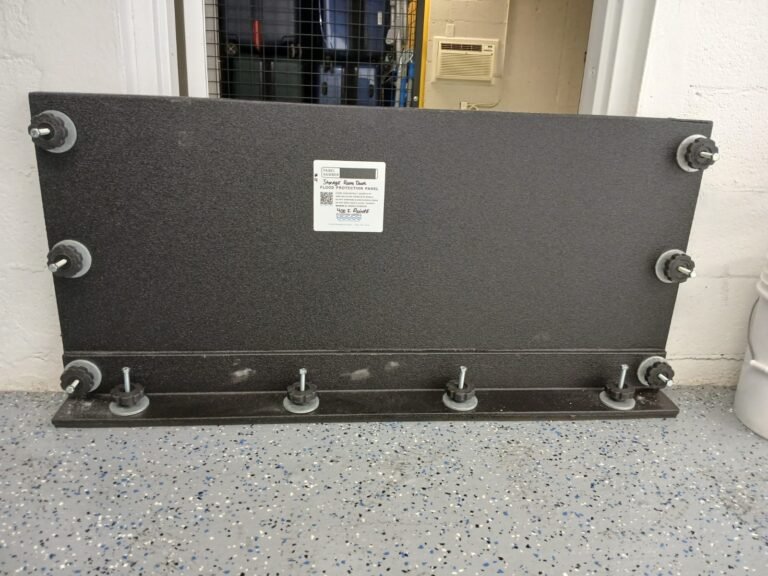
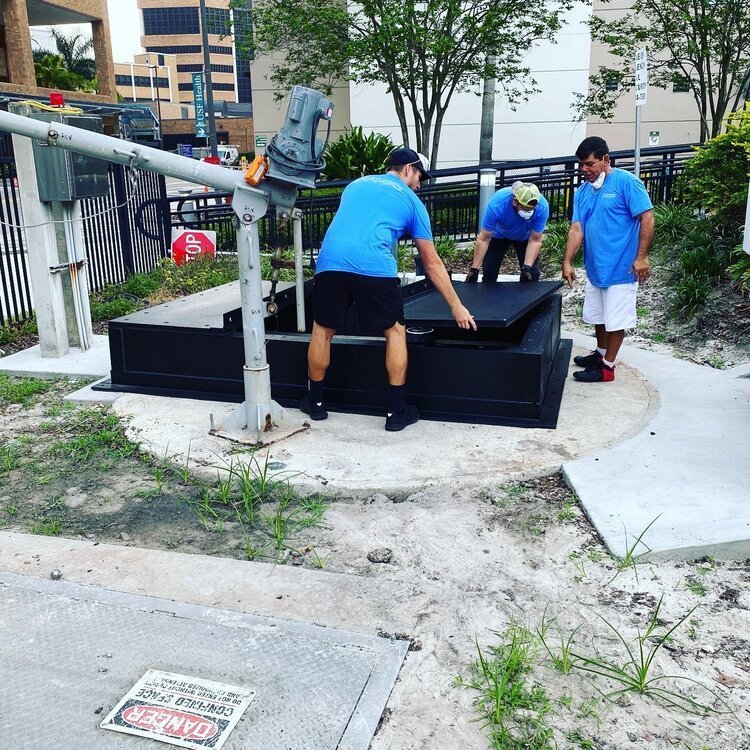
No flood mitigation strategy eliminates risk entirely. A quality flood risk assessment quantifies residual risk after mitigation and recommends a layered protection strategy – which may include flood barriers, flood vents, elevated mechanical systems, emergency response protocols, and staff training.
Regulatory Context: When Is a Flood Risk Assessment for Planning Required?
In the United States, flood risk assessment requirements vary by state, county, and municipality, but several federal frameworks create baseline requirements:
- FEMA’s National Flood Insurance Program (NFIP) – Properties in SFHAs that receive federally backed mortgages must carry flood insurance; development in these zones requires compliance with local floodplain management ordinances.
- Executive Order 11988 (Floodplain Management) – Federal agencies must avoid development in floodplains where possible and mitigate where development proceeds.
- Local building and zoning codes – Many municipalities require flood risk assessments as part of the development review process, particularly for sites in or adjacent to mapped flood zones.
- HUD, EPA, and infrastructure grant programs – Federal funding recipients often must demonstrate flood risk awareness and mitigation planning as a condition of award.
International clients should note that many countries, including the UK, Canada, Australia, and throughout the EU, have statutory FRA requirements for development in flood-risk areas, often requiring submission to planning authorities alongside project applications.
How Flood Response Assistance Approaches Risk Assessment
Our flood risk assessment services are designed for property owners and project teams who need to consider flood protection. We do a site walkthrough to identify vulnerabilities, including those that are often overlooked, based on historical data and surrounding flood events.
We also offer follow-on services, including flood barrier installation and deployment, vent installation, staff training, and mock flood exercises, so your assessment leads directly to improved preparedness, not just a report on a shelf.
Need a Flood Risk Assessment for Planning?
If you’re planning a new development, managing a high-value property, or seeking to understand and reduce your organization’s flood exposure, now is the right time to act.
Contact Flood Response Assistance to schedule a site consultation. We work with commercial property owners, developers, municipalities, and emergency management agencies across the country.