 +1 (561) 644-3311
 info@floodresponseassistance.com
What an El Niño Winter Can Mean For Flood Planning
For most property teams in the South and along the East Coast, the flood plan has one main character: hurricane season. Barriers get inspected in spring, staff get trained before June, everyone watches the tropics through October, and then the binder goes back on the shelf until next year.
This winter, that habit could be expensive.
Forecasters expect a very strong El Niño to shape the 2026–27 winter, and the pattern it tends to bring is exactly the kind of flooding that hurricane-focused plans aren’t built for. If your flood plan doesn’t have a winter chapter, now is the time to write one.
What the El Niño Winter Forecast Says
El Niño is a warming of the ocean in the equatorial Pacific that shifts weather patterns around the world. In North America, one of its most reliable effects is pushing the Pacific jet stream farther south than usual in winter. Storms follow that jet stream, which means more of them track across the southern United States and up the East Coast.
NOAA’s 2026–2027 U.S. Winter Outlook is built around a very strong El Niño. For December through February, it favors wetter-than-average conditions across the southern tier of the country and along the East Coast, along with above-average temperatures across much of the northern U.S.
In practical terms, that points to:
- More frequent rain-producing storms across the Gulf Coast and the Southeast
- A greater chance of coastal storms, including nor’easters, affecting the Atlantic coast
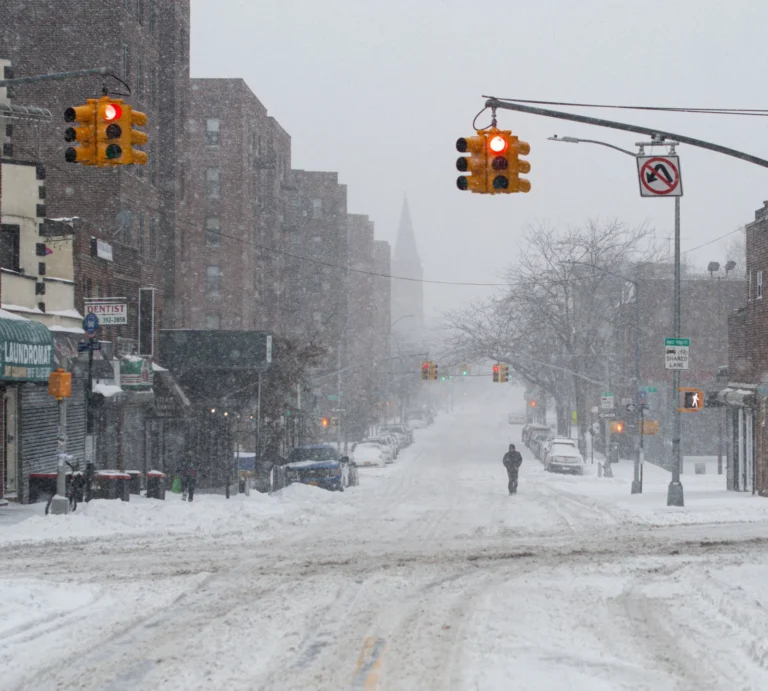
- Warmer temperatures in many areas, meaning more winter precipitation falls as rain instead of snow
It’s worth being clear about what a seasonal outlook is: it shifts the odds, not a guarantee of any particular storm. But when the odds tilt this clearly toward a wet winter, planning for it is just good risk management.
Why Winter Flooding Catches Properties Off Guard
Hurricanes are destructive, but they come with something winter storms often don’t: a countdown. You see the cone days in advance, and your team mobilizes. Winter flooding plays by different rules.
- There’s no named storm to rally around – A stalled front or a series of heavy rain events doesn’t trigger the same urgency as a hurricane watch, so deployment decisions get delayed.
- The ground is already saturated – Back-to-back rain events leave soil and drainage systems full. The third storm of the month can flood a property that handled the first two just fine.
- Drainage becomes the weak point – Storm drains back up, floor drains push water into buildings from below, and below-grade spaces like parking garages and mechanical rooms take on water even when doors are sealed.
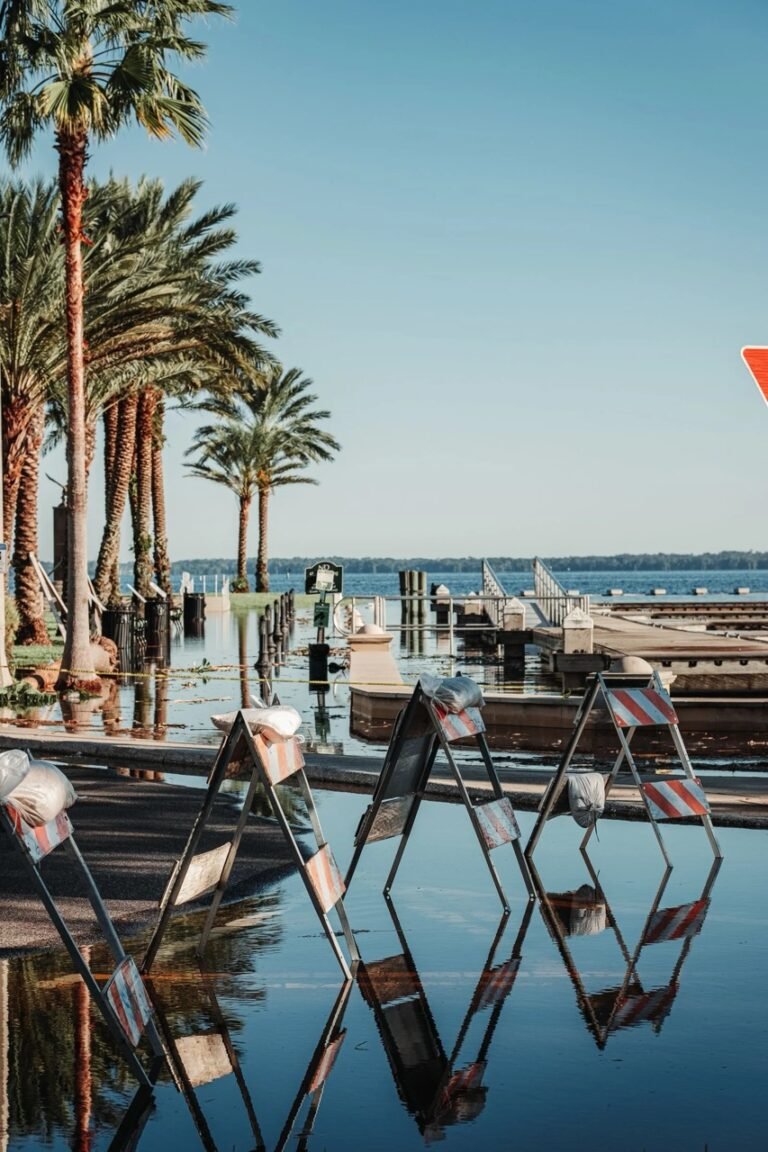
- Coastal storms push water inland – Nor’easters and winter coastal storms can drive water onshore over multiple tide cycles, not just during one landfall.
- Staff are thin – Winter flood events land on holidays, long weekends, and vacation weeks. The people trained to deploy barriers in August may not be on site in December.
How to Write the Winter Chapter of Your Flood Plan
A winter chapter doesn’t mean starting over. It means adjusting your existing plan for a different kind of threat. Here’s what it should cover:
1. Change your deployment triggers
Hurricane plans usually trigger on watches, warnings, and storm tracks. Winter plans need triggers based on rainfall forecasts, flood watches, coastal flood advisories, and cumulative rain over the previous days. Decide in advance what conditions mean “deploy”.
2. Build a holiday deployment roster
Map out who is responsible for deploying protection during every week from December through February, planning around team members who will be absent during holidays. Make sure each person on the roster knows where equipment is stored, how to install it, and who to call if they need backup.
3. Inspect everything after hurricane season
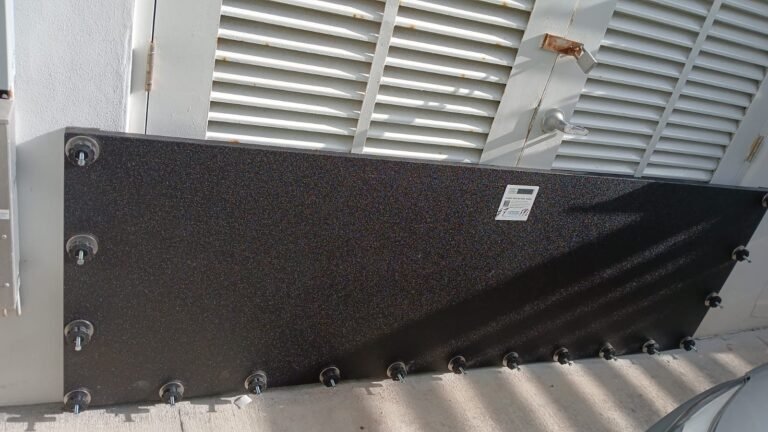
Treat the end of hurricane season as a maintenance checkpoint, not a finish line. Check flood panels, barriers, and gates for damage, inspect gaskets and seals for wear, confirm anchors and tracks are clean and intact, and make sure every piece is accounted for and stored where it should be.
4. Look down, not just out
Winter flooding often comes from below. Confirm floor drains, sump pumps, and backflow prevention are working, and that flood vents are clear of debris. Below-grade spaces deserve their own line in the plan.
5. Pre-stage what takes the longest
If some protection takes longer to deploy, such as long perimeter barriers or large openings, consider pre-positioning it during the wettest stretches of the season rather than waiting for each individual forecast.
6. Protect the equipment that keeps you running
Generators, electrical panels, and mechanical equipment are often the difference between a property that’s back in operation in hours and one that’s down for weeks. Make sure they’re covered in the winter plan, not just the summer one.
7. Run a winter drill
A short walkthrough in early December, with the people who will actually be on the roster, catches problems while there’s still time to fix them.
8. Plan for after the water
Every event should be followed by inspection, cleaning, drying, and re-storage of equipment so it’s ready for the next one. In a wet winter, the next one may not be far behind.
Where Flood Response Assistance Fits In
Flood Response Assistance helps commercial and residential properties plan for, deploy, respond to, and maintain flood protection all year, not just during hurricane season. For an El Niño winter, that can include:
- Flood planning to add winter triggers, rosters, and procedures to your existing plan
- Deployment support so your protection goes up on time, even when your team is short-staffed
- Flood risk assessment to identify any problem areas before the season
- Maintenance and inspections to make sure barriers, seals, and vents are ready after hurricane season
Frequently Asked Questions
What is an El Niño winter?
An El Niño winter is a winter season influenced by El Niño, a periodic warming of the equatorial Pacific Ocean. In the United States, it typically shifts the jet stream south, bringing wetter conditions to the southern states and East Coast.
Does El Niño mean more flooding in Florida and the Southeast?
El Niño winters tend to be wetter than average across the southern U.S., which raises the risk of heavy rain and flooding. It doesn’t guarantee any specific storm, but it does make wet weather more likely.
Isn’t flood season over after hurricane season?
Hurricane season ends on November 30, but flooding doesn’t follow the calendar. Heavy rain events, saturated ground, and coastal storms can all cause flooding in winter, especially during a strong El Niño.
When should we update our flood plan for winter?
Now. Ideally, the winter chapter is in place, inspections are done, and your roster is set before December.