 +1 (561) 644-3311
  info@floodresponseassistance.com
How to Stay Safe During a Flood: A Step-by-Step Guide
Floods are one of the most common and most dangerous natural disasters in the United States. Whether triggered by heavy rainfall, storm surge, or a failed levee, floodwaters can rise faster than most people expect, turning ordinary streets and homes into life-threatening environments.
Knowing how to stay safe during a flood can be the difference between a close call and a tragedy. Here are some helpful tips to know before the next storm hits.
Before a Flood: Prepare While You Still Can
How to stay safe during a flood starts with preparation, weeks and months before the floodwaters rise. Be sure to:
1. Sign Up for Local Emergency Alerts – Most counties and municipalities offer text and email alerts through systems like Wireless Emergency Alerts (WEA) or FEMA’s Integrated Public Alert & Warning System (IPAWS). Register your phone and know what each alert level means – a Flood Watch means conditions are favorable for flooding, while a Flood Warning means flooding is occurring or imminent.
2. Know Your Flood Zone – FEMA’s National Flood Insurance Program (NFIP) maintains flood zone maps for every county in the U.S. Properties in Zone A or Zone AE are at high risk; Zone X is moderate-to-low. Knowing your flood zone helps you understand your risk and decide whether to evacuate proactively.
3. Build a Flood Emergency Kit – Your kit should include at minimum:
- At least 72 hours of bottled water (one gallon per person per day)
- Non-perishable food and a manual can opener
- Medications, copies of prescriptions, and medical records
- Flashlights, extra batteries, and a battery-powered radio
- Important documents in a waterproof container (IDs, insurance policies, deed or lease)
- Phone chargers and a portable power bank
- First aid kit and personal hygiene supplies
- Cash – ATMs may not work during power outages
4. Have an Evacuation Plan – Identify two or more evacuation routes from your home and neighborhood. Designate a meeting point for your household and ensure everyone, including children and elderly family members, understands the plan. If you have pets, locate pet-friendly shelters in advance.
During a Flood: Prioritize Your Safety Above All Else
When floodwaters rise, knowing how to stay safe during a flood means prioritizing the safety of you, your family, and your staff above any material thing that can be replaced. During a flood, it’s important to:
1. Evacuate Immediately If Ordered – Do not wait to see how bad the flooding will get. If local authorities issue a mandatory evacuation, leave as early as possible. Early evacuation reduces traffic, improves access to shelter, and keeps first responders available for those who cannot self-evacuate.
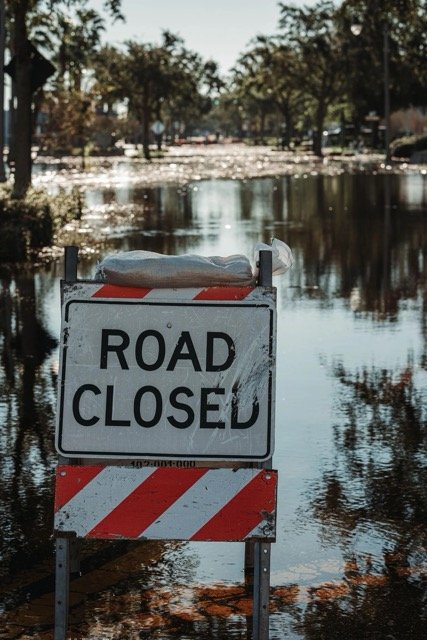
2. Never Drive Through Floodwater – This is one of the most critical flood safety rules and one of the most commonly ignored. Just six inches of moving water can knock a person off their feet. A mere two feet of floodwater can carry away most passenger vehicles, including SUVs and trucks. If you encounter a flooded road: turn around, don’t drown.
3. Stay Away from Storm Drains and Drainage Channels – Water flowing through drainage infrastructure can move with tremendous force and unpredictable direction. Never attempt to walk, swim, or play near these areas during or after a storm.
4. Move to Higher Ground, Not an Enclosed Upper Floor – If you cannot evacuate and water is entering your home, move to a higher floor. However, avoid attics unless you have a way out (such as a roof hatch or skylight). People have drowned in attics after becoming trapped with no exit as water continued to rise.
5. Avoid Contact with Floodwater – Floodwater is not clean water. It frequently contains sewage, chemicals, debris, and sharp objects. If you must wade through floodwater, wear rubber boots and waterproof gloves. Wash any skin contact areas thoroughly as soon as possible.
6. After a Flood: Return Safely – Even once floodwaters recede, hazards remain. Follow these steps when returning to your property:
- Wait for official clearance before re-entering your home
- Wear protective gear, including rubber gloves, boots, and an N95 mask
- Check for structural damage before entering; look for sagging ceilings, warped floors, and cracked foundations
- Do not turn on electrical power if your home has been flooded – contact a licensed electrician
- Document all damage with photos and video before cleaning up – you’ll need this for insurance claims
- Discard any food or medications that may have come into contact with floodwater
- Begin drying out the property within 24–48 hours to prevent mold growth
How Flood Response Assistance Can Help
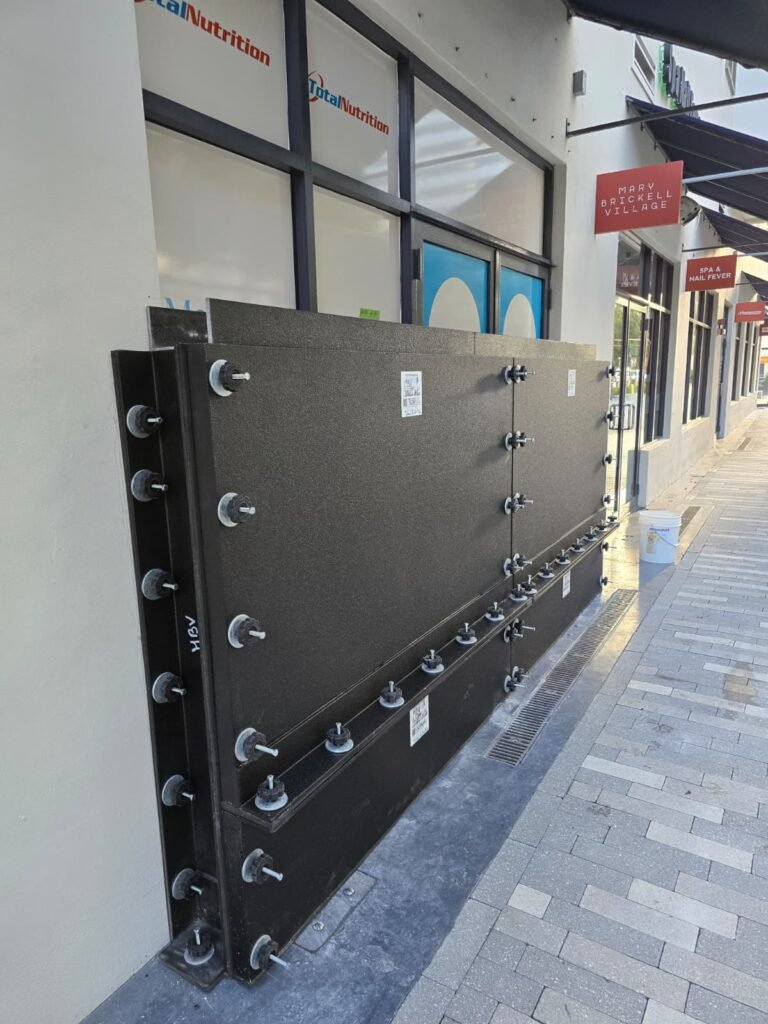
Flood Response Assistance specializes in professional flood response services for commercial and residential properties, including professional flood risk assessments, 24/7 flood panel deployment services, deployment training, and more.
Contact Flood Response Assistance today to learn how we can help your property and team stay safe when water levels rise.