 +1 (561) 644-3311
  info@floodresponseassistance.com

Flooding Mental Health: Why Recovery Goes Beyond the Cleanup
When flood damage gets reported in the news, the camera lingers on the obvious things – buckled drywall, ruined furniture pulled to the curb, a sedan halfway through a chain-link fence. The visible damage is real, and it gets cleaned up. What’s harder to see, and harder to clean up, is the flooding mental health impact does to the people who lived through it.
For many people who experience a flood for the first time, it isn’t the event itself that takes the deepest toll. It’s the months and years that follow.
The Hidden Toll of Flood Events
Emotional resilience varies from person to person, but the patterns after a major flood are remarkably consistent. People report disrupted sleep, persistent anxiety, and a low-grade dread that returns every time the forecast calls for rain. For some, those symptoms fade in weeks. For others, they last years. Many flood survivors describe the recovery process – not the flood – as the part that broke them.
The reason is straightforward. A flood doesn’t end when the water leaves. It continues through insurance adjusters, contractor estimates, displaced living arrangements, lost work, and the slow, demoralizing process of putting a house back together while you’re already exhausted.
What the Research Shows
Following the 2007 floods in the UK, the Health Protection Agency, King’s College London, and Lancaster University began studying the psychosocial impacts of flooding. Their work, along with a long-term study Public Health England launched in 2015 examining residents affected by the 2013/14 winter floods, has produced some of the clearest data on the mental health cost of flood events.
The findings are stark. People whose living spaces were flooded were six to seven times more likely to develop depression, anxiety, or PTSD twelve months after the event than people who weren’t affected. Flood depth made the picture worse: in homes where water rose above one metre, the likelihood of developing depression, anxiety, and PTSD increased by 15x, 11x, and 18x respectively.
Coping mechanisms vary. Many are healthy – leaning on family, returning to routines, joining community recovery efforts. Others are not. Studies have documented increased reliance on antidepressants, alcohol, and tobacco in flood-affected populations, often persisting long after physical recovery is complete.
The Long Tail of Recovery
Even after a home is rebuilt and people move back in, the trauma doesn’t necessarily leave with the contractors. Replaced furniture and refinished rooms can make a familiar home feel subtly wrong – the cabinets are new, the flooring is different, the smell isn’t quite right. Sleep gets harder, especially during storms or heavy rain. The sound of water against windows that used to be background noise becomes a trigger.
For property owners and operations leaders responsible for buildings that house residents, employees, or patients, this matters beyond the personal. The people who lived through a flood at your property are the same people you’ll be relying on to come back to work, return as tenants, or trust the building again. Their psychological recovery shapes the operational recovery.
Flooding and Children
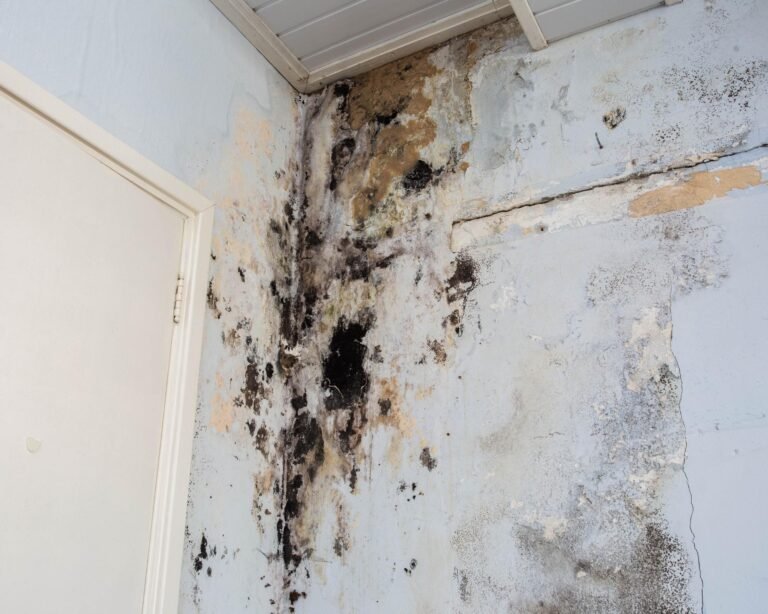
Flooding hits children especially hard. Home and family represent safety, and a flood disrupts both at the same time. Losing familiar toys and possessions can be deeply distressing, and the reasons items have to be thrown away, including contamination, mold, structural damage, are difficult to explain to a young child.
Lancaster University and Save the Children ran a project specifically on children’s recovery from flood events, looking at how children experience flooding and what helps them process it. Schools in flood-affected areas have run education programs to help children build resilience and frame the event constructively rather than carrying it as unprocessed fear. The research consistently shows that children do best when adults around them can model steady, prepared, calm responses, which is far easier when those adults aren’t themselves overwhelmed by a recovery they weren’t ready for.
Why Preparation Reduces Flooding Mental Health Cost
A lot of the mental health burden after a flood comes from the same place: the feeling of having had no control. The water came, the home was lost, the recovery dragged on, and at no point did the people affected feel they had agency over what was happening.
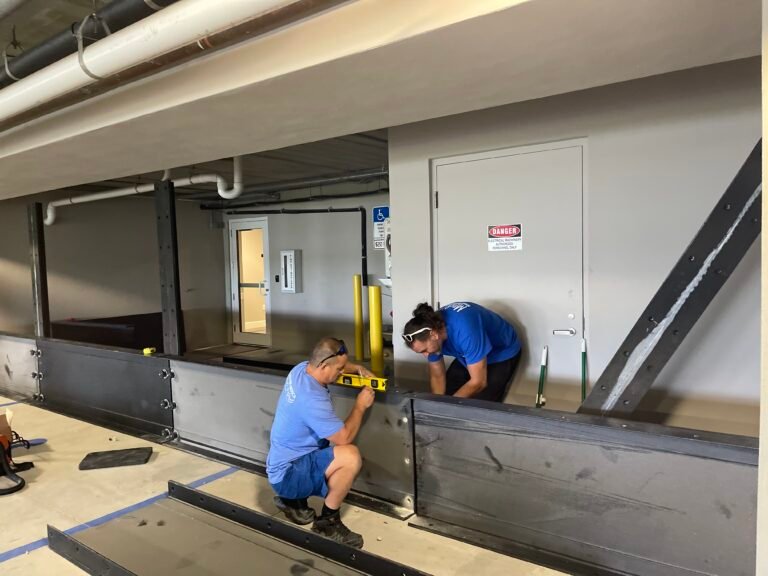
Preparation changes that equation. A property owner who has a flood response plan in place, who knows the deployment will happen on a defined trigger, who has trained staff and inspected hardware and a documented chain of command, isn’t depending on luck. They’re depending on a plan they built. The flood may still come, and water may still get in because preparation doesn’t eliminate flooding, but it does change the experience from “this happened to me” to “we executed our plan.”
That shift is the difference between trauma and a difficult event you got through. It doesn’t make floods easy. It does make them survivable.
Getting Support After a Flood
If you or your family have been affected by a flood, the most important thing is to seek support early rather than wait for symptoms to escalate.
- In the U.S., the SAMHSA Disaster Distress Helpline is available 24/7 at 1-800-985-5990 (call or text), specifically for people affected by natural and human-caused disasters.
- Your primary care physician is also a good first point of contact.
- If you’re experiencing a mental health crisis, the 988 Suicide and Crisis Lifeline is available by call or text.
Informal support matters too. Family, friends, neighbors, and faith communities consistently show up in the research as some of the most protective factors for people recovering from a flood. Local recovery groups, peer-support programs, and community resilience initiatives can reduce isolation and provide a space to share what you’re going through with people who understand.
The Bottom Line
The damage a flood does to a building is measured in dollars and weeks. The damage it does to the people inside that building is measured differently, and often takes much longer to surface and longer still to heal. Flood response planning isn’t only about protecting drywall and equipment. It’s about reducing the number of people who have to carry a flood with them for years afterward.
If you’d like to talk through how a real flood response plan changes the recovery picture for your property and the people who depend on it, our team is here to help.