 +1 (561) 644-3311
 info@floodresponseassistance.com

Rain Flooding vs. Storm Surge: No Hurricane, Still Underwater
There was no hurricane this November. No named storm made landfall, and nobody boarded up their windows. Florida’s Atlantic coast flooded anyway.
On November 2, Melbourne had its rainiest day on record, with 11.5 inches. A couple of weeks later, a slow-moving system parked over South Florida and did it again. Plantation recorded more than 16 inches in two days. Fort Lauderdale and West Palm Beach logged their wettest Novembers on record. The St. Johns River pushed past a level it hadn’t reached since 1953. Emergency declarations stretched up the coast.
All of that happened in what’s supposed to be the dry season, after the part of the calendar most people think of as “flood season.”
If your building took on water this month and you’re thinking, “But we’re not even in a flood zone,” you’re not alone. This is what rain flooding looks like. It works differently from storm surge, and it needs a different plan.
It’s Not Just Florida
Florida wasn’t the only coast underwater this month.
In California, a run of atmospheric river storms hit the West Coast one after another. One storm put about 30 million people along the California coast under a flash flood threat, including the San Francisco and Los Angeles metro areas. The Bay Area broke a daily rainfall record that had stood since 1918, and Los Angeles fire officials told residents in high-risk areas to prepare for possible evacuations.
On the other side of the country, New Jersey is bracing for its turn. A coastal storm brought rain, gusty winds, and beach erosion to the state over the weekend of November 22. Now the National Weather Service says confidence is growing that a significant storm will hit the region around Thanksgiving Day, with heavy rain, strong winds, and coastal flooding all possible.
Three coasts, three very different climates, one common problem: water coming from the sky, not just the sea.
How Does Rain Flooding Happen?
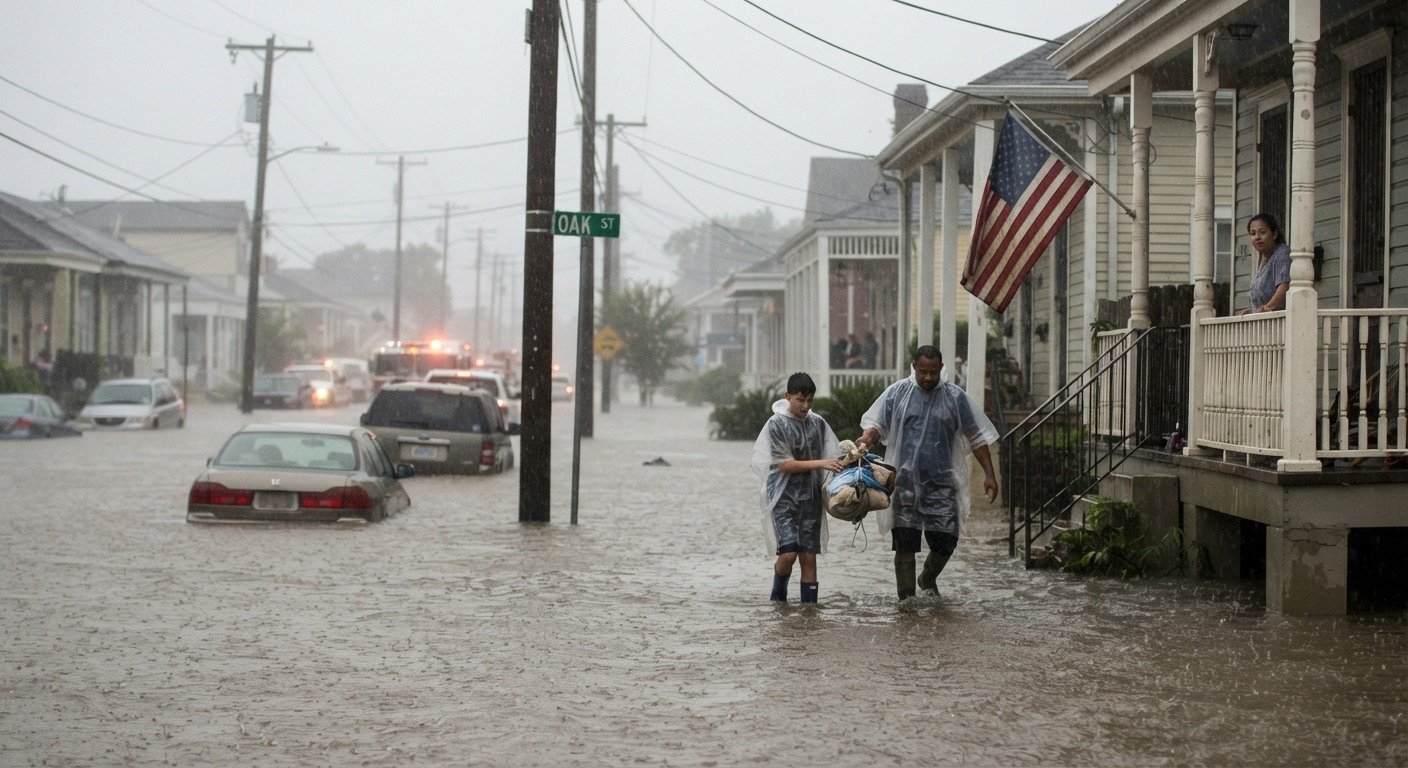
To be able to prevent damage from rain flooding, it’s important to understand how it happens. Rain flooding happens when rain falls faster than the ground, storm drains, and waterways can carry it away. The water doesn’t come from the ocean. It comes from the sky, and then it has nowhere to go.
It usually shows up in one of three ways:
- Flash flooding – Intense rain over a short period overwhelms streets and drainage systems within hours, sometimes minutes.
- Ponding or urban flooding – Water collects in low spots like parking lots, loading docks, below-grade garages, and building entrances because the stormwater system is already full.
- River and lake flooding – Days of rain raise rivers and lakes until they spill over, which can keep water high long after the rain stops.
The common thread is saturation. When rain falls on ground that is already soaked, almost all of it becomes runoff. That’s why the second storm this month did so much damage. The ground hadn’t recovered from the first one.
What is Storm Surge?
Storm surge is ocean water pushed onshore by a storm’s winds and low pressure. It’s the classic hurricane flood: a wall of seawater rising along the coast, often combined with waves and high tide.
Surge is dangerous, but it’s also fairly predictable. It hits coastal and low-lying areas, it arrives with a named storm, and forecasters can usually warn you days ahead. That predictability is exactly why so much flood planning is built around it.
The Differences That Matter For Your Building
Most commercial flood plans are built with storm surge in mind. There’s a named storm, you get a few days’ warning, the water comes from one direction, and once the season’s over, you can relax. Rain flooding, on the other hand, doesn’t play by any of those rules. The differences matter when you’re building your flood plan:
- Where the water comes from – Storm surge comes from the sea, so it hits waterfront and coastal property hardest. Rain flooding can happen anywhere rain falls, including inland properties miles from the beach.
- How much warning you get – Surge usually comes with days of hurricane forecasts. Rain flooding can come with very little. Early this month, forecasts called for a marginal to slight flood risk, and then parts of Brevard County saw 16 to 22 inches of rain in a single day. If your flood plan depends on having 72 hours to prepare, rain flooding will test it.
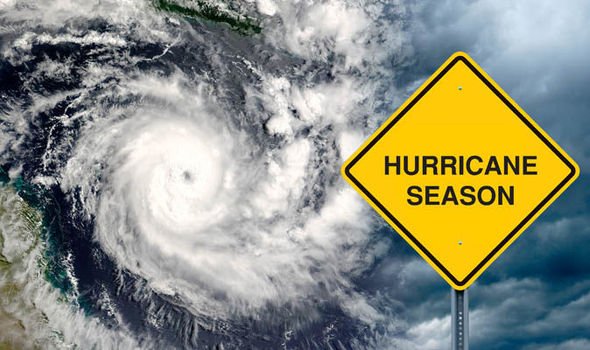
- When it happens – Surge is tied to hurricane season, which officially ends November 30. Rain flooding doesn’t follow that calendar. It can happen with a stalled front, a slow-moving low, or an El Niño winter, any month of the year.
- How water gets into the building – Surge tends to push in from one direction, the water side. Rain flooding can come from every direction at once: through doorways, up through floor drains, down garage ramps, and in through utility penetrations. The weak points are often the ones nobody thought to check.
- How long it lasts – Surge usually recedes as the storm passes. Rain flooding, especially river flooding, can linger for days. That means your protection has to stay in place and stay sealed longer than you might expect.
The Biggest Misconception: “We’re Not in a Flood Zone”
FEMA flood maps show areas with a high risk of flooding from rivers and the coast. They are a starting point, not a guarantee. Many maps don’t fully reflect heavy local rainfall, aging stormwater systems, or new development that has paved over ground that used to absorb water.
So a building outside a mapped high-risk zone can still flood. And because those buildings often have no flood barriers, no response plan, and no flood insurance, the damage can hit harder.
In fact, over 20% of flood claims come from properties that aren’t in a designated flood zone or have a low flood risk.
Where Rain Flooding Hits Commercial Buildings Hardest
After a rain event, the same trouble spots come up again and again:
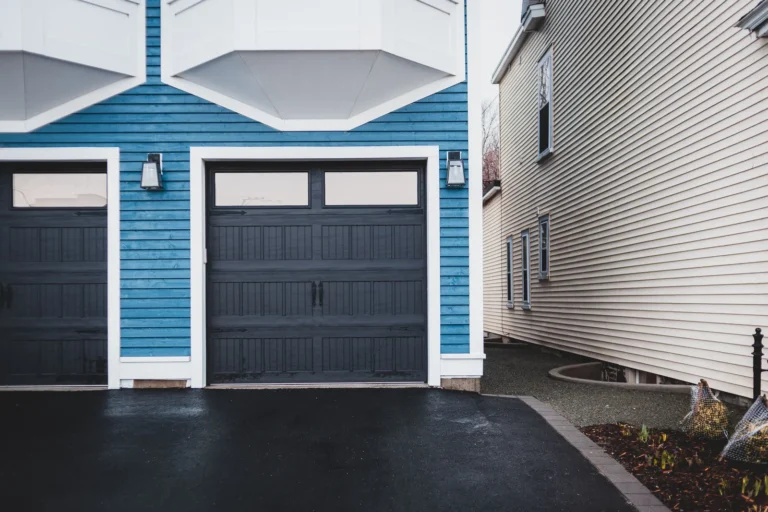
- Below-grade parking garages and ramps – Water runs downhill, and garages are usually the lowest point on the property.
- Loading docks – Recessed docks collect water fast, and dock doors are rarely sealed against it.
- Main entrances and lobbies – Glass storefronts and automatic doors are easy entry points for water.
- Mechanical and electrical rooms – These are often on the ground floor or basement, and they’re the most expensive rooms to lose.
- Floor drains and plumbing – When the municipal system backs up, water can come up from inside the building.
- Utility penetrations – Gaps around conduit, pipes, and cables let water seep through walls.
How to Protect Your Building From Rain Flooding
Plan for short notice
Your flood response plan should work with hours of warning, not days. That means knowing exactly which barriers go where, who installs them, and where they’re stored. If deployment depends on one person who might be on vacation, that’s a gap.
Protect the low points first
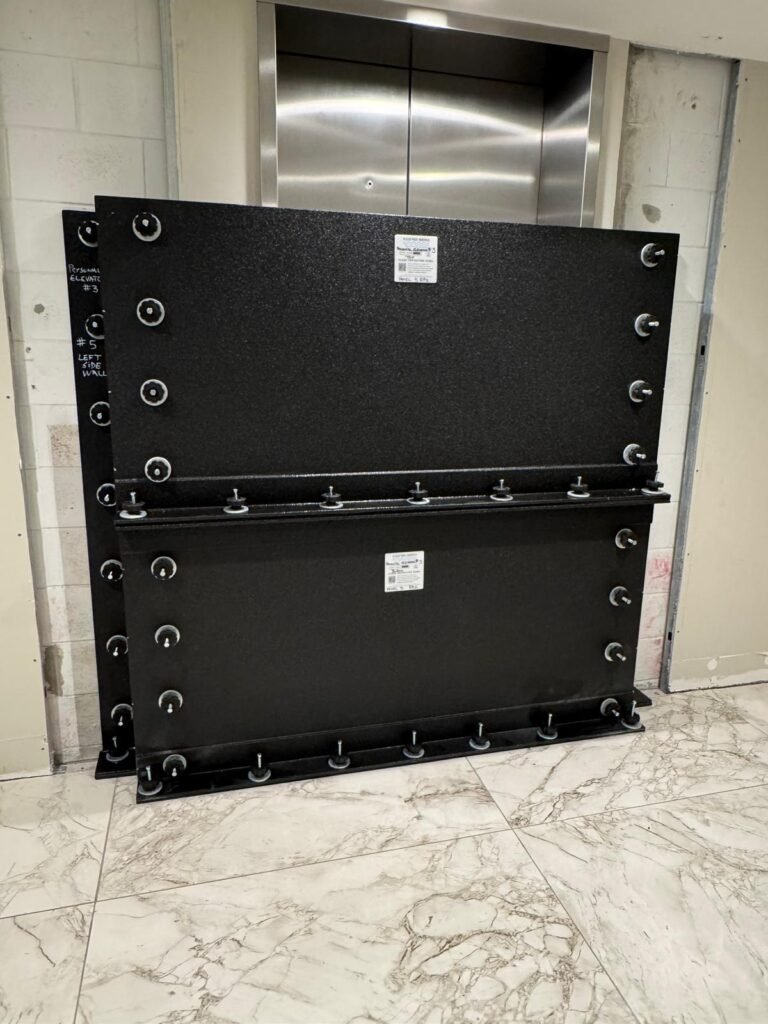
Start with garage entrances, loading docks, and ground-floor doors. These are where rain flooding usually gets in first. Removable flood barriers and flood panels can seal these openings without changing how the building works day to day.
Don’t forget water from below
Backflow preventers on floor drains and sealed utility penetrations stop water from coming up or seeping in, even if the doors are covered.
Inspect after every event
Back-to-back storms are hard on equipment. After every deployment, check gaskets and seals for wear, make sure mounting tracks are clear of debris, and confirm every piece is accounted for and stored correctly. A barrier with a torn seal won’t hold the next time.
Practice the deployment
The first time your team installs flood barriers shouldn’t be at 2 a.m. in a flash flood warning. Run a deployment drill, time it, and fix whatever slows you down.
The Takeaway: Flood Season is Not Limited to Hurricane Season
This November proved that Florida doesn’t need a hurricane to flood. Rain flooding can arrive with little warning, outside hurricane season, and outside mapped flood zones. For commercial buildings, that means flood protection can’t be something you only think about from June to November.
The good news is that rain flooding is very manageable with the right plan. Know your weak points, have the right protection in place, and make sure your team can deploy it quickly.
Flood Response Assistance helps commercial property owners and facility managers plan, deploy, and maintain flood protection all year. Whether your barriers just got a workout this month or you’re realizing you need a plan for the first time, we can help you assess your building’s weak points, inspect your equipment after back-to-back storms, and make sure your team is ready for the next one.
Contact Flood Response Assistance to schedule a flood readiness assessment.