 +1 (561) 644-3311
  info@floodresponseassistance.com
Flood Protection Systems & Maintenance: 5 Key Tips
Flood protection systems are your first line of defense against the devastating effects of flooding. But here’s the thing – once you’ve invested in flood panels, pumps, or barriers, they’re not something you can just set and forget.
Like any piece of equipment, they need routine maintenance to stay in top shape. The good news is that keeping your flood protection systems, especially flood panels from Flood Risk America, is not complicated.
Here are five essential tips to help maintain your flood protection systems and get the most out of your investment.
1. Conduct Routine Inspections on All Flood Protection Systems
Regular inspections are key to keeping your flood protection systems in top condition. By catching small issues early, you can avoid costly repairs and replacements. Most importantly, an inspection ensures that everything is ready when you need it before the storm rolls in.
- Look for visible damage – Check barriers, seals, and panels for cracks, corrosion, or any signs of wear and tear.
- Inspect pumps – Test your pumps to make sure they’re fully operational and ready to handle a flood.
- Address minor issues promptly – Don’t wait for small problems to become big ones – repair or replace damaged components as soon as possible.
We recommend inspecting your flood protection systems after a storm when they’ve been put to use.
2. Clean and Clear Debris
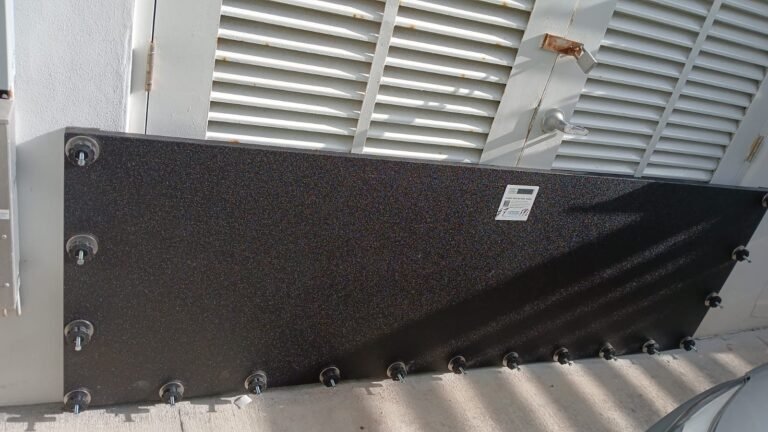
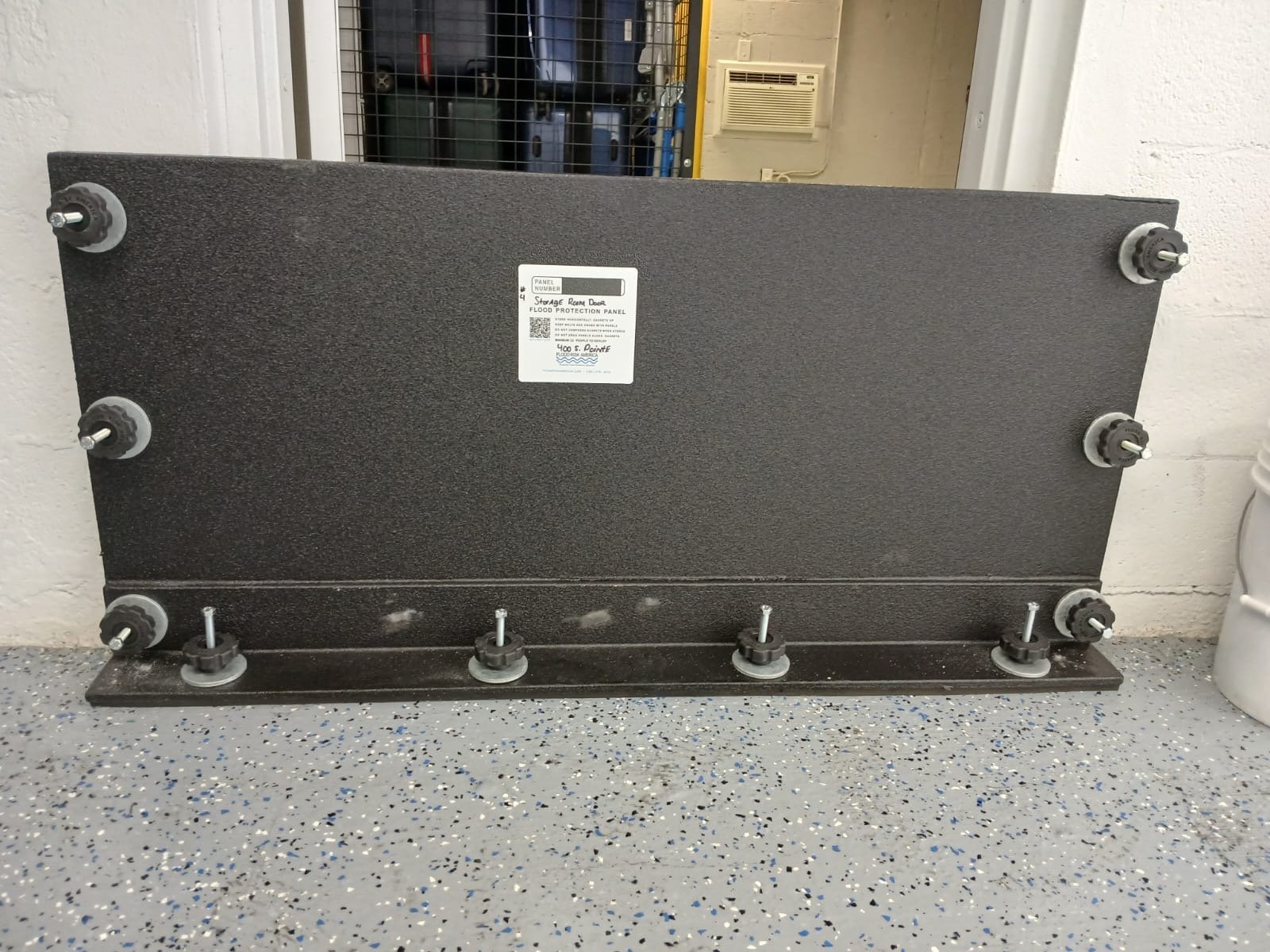
Flood protection systems, like drainage channels or barriers, can easily become clogged with dirt, leaves, and debris. For our flood barriers, use a hose or a pressure washer on a low setting to rinse off dirt and dust on the panels and components. Allow the panels to air dry completely before storing them.
We recommend cleaning your flood panels after deployment to remove contaminants like mud, saltwater, or chemicals that are often found in floodwaters.
3. Test Flood Protection Systems Regularly
Schedule routine testing to verify that all equipment works as intended. Replace batteries in alarms and ensure backup systems are fuelled and ready to activate when needed.
For flood panels, it’s especially important to test them before storm season or during periods when flooding is more likely in your area, such as spring thaw or the start of hurricane season.
If you know a storm is on the horizon, testing your panels well in advance gives you time to address any issues, like missing components. Regularly assembling and disassembling your flood panels also ensures you’re familiar with the process, so deployment during an actual emergency is quick and efficient.
4. Maintain Seals and Joints
Seals and joints in flood barriers can degrade overtime, which can compromise their efficacy. Inspect and reseal these components periodically, using high-quality, weather-resistant materials to maintain their integrity.
At Flood Response Assistance, our regular inspection and maintenance includes replacing all critical components when necessary and re-coating to prevent corrosion.
5. Develop a Maintenance Schedule
A structured maintenance schedule ensures no aspect of your flood protection system is overlooked. Work with a flood protection specialist to create a plan tailored that includes inspections, cleaning, testing, and any necessary repairs or replacements.
By following these five tips, you can maximize the value of your investment. Contact us to learn more about our inspection and maintenance program for your flood panels.