 +1 (561) 644-3311
  info@floodresponseassistance.com
What Are Flood Control Services? A Property Owner’s Guide
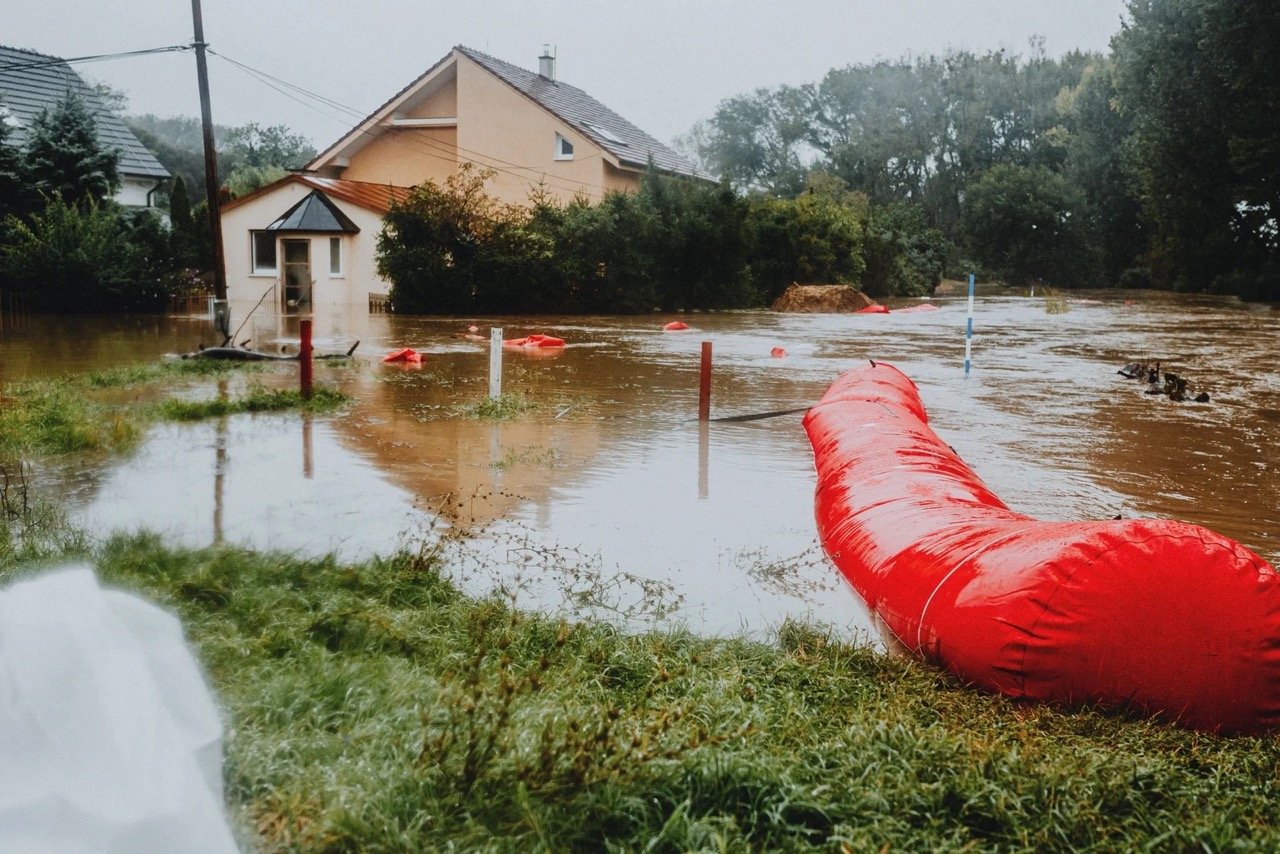
Flooding is the most costly natural disaster in the United States, and flood events have continued to increase due to climate change and urban crawl. And yet, flood control options remain widely misunderstood are often overlooked by property owners.
If you’ve ever only thought of flood protection as “sandbags and hope”, this guide is for you. Here’s what modern flood ocntrol services actually cover, and how to choose a provider you can trust.
What Do Flood Control Services Include?
“Flood control” isn’t a single product, it’s a layered strategy. A complete flood control program usually pulls from several of the following:
- Flood risk assessment – Before a single barrier goes up, a professional evaluates your flood zone, drainage patterns, building openings, and the way water moves across your site during a storm.
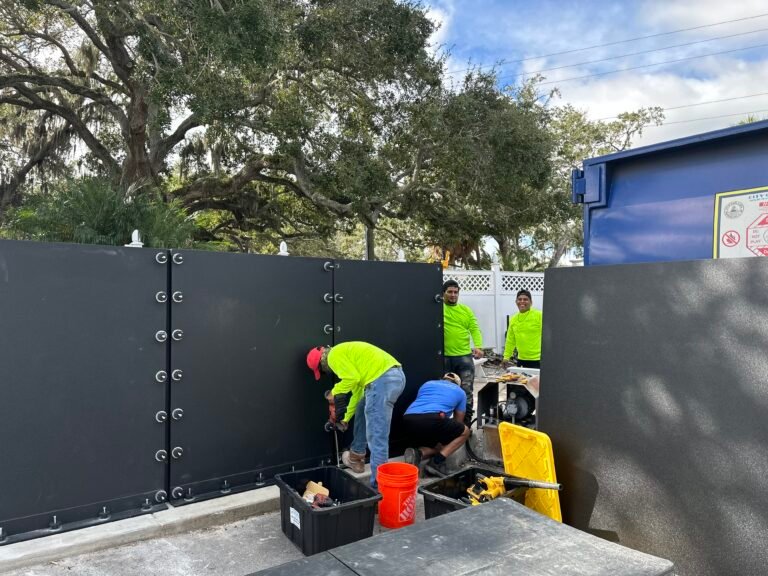
- Flood barriers and flood panels – Removable or deployable barriers that seal doorways, garage entrances, loading docks, and other openings when a storm is forecast.
- Flood vents (smart vents) – Engineered openings that let floodwater flow through enclosed spaces like garages and crawlspaces, equalizing pressure so your foundation walls don’t collapse.
- Drainage and grading solutions – French drains, swales, regraded landscaping, and improved downspout routing that move water away from your foundation.
- Backflow prevention – Valves that stop sewage and stormwater from backing up into your building through drains and toilets.
- Sump pumps and interior systems – Equipment that removes water that does get inside before it can cause serious damage.
- Emergency response and cleanup – Rapid deployment during an active event, plus drying and remediation afterward.
The right mix depends entirely on your building, your budget, and your risk level, which is exactly why a one-size-fits-all quote should make you pause.
Passive vs. Active Flood Control
Most flood control services fall into one of two categories, and the strongest plans use both:
- Passive systems work on their own, with no one present to activate them. Engineered flood vents are the classic example: when water rises, they open automatically and let it pass through. Passive systems are ideal for the moments you’re not there and for events that arrive faster than any person can react.
- Active systems require deployment, usually when a storm is in the forecast. Removable flood barriers and door panels fall into this group. They offer excellent protection but depend on advance notice and someone available to put them in place.
Relying on active systems alone is risky, because flooding often strikes overnight or while a property sits empty. Combining passive protection with active barriers gives you coverage whether or not anyone is on-site.
Residential vs. Commercial Flood Control
Homeowners and business owners share the same enemy but face different stakes.
For homes, flood control focuses on protecting the foundation, keeping water out of living space, and meeting the requirements that keep flood insurance affordable. Flood vents, proper grading, and a reliable sump pump go a long way.
For commercial properties, the calculation is bigger. A single flood can shut down operations, destroy inventory, damage expensive equipment, and trigger liability concerns for tenants or customers. Parking garages, condo lobbies, equipment enclosures, and ground-floor retail all need tailored protection, and the cost of doing nothing is measured in lost revenue as much as repair bills.
How to Choose a Flood Control Provider
Not all flood control services are created equal. As you compare options, look for a provider that:
- Knows the codes – FEMA and NFIP requirements affect both your safety and your insurance. Your provider should be fluent in them.
- Uses certified, engineered products – For flood vents especially, look for ICC-ES certification rather than generic hardware-store parts.
- Documents the work – Photos, certifications, and records matter for insurance claims and inspections down the road.
- Is honest about what you actually need – The goal is protection that fits your risk, not the most expensive package on the shelf.
The Bottom Line
Flood control services are an investment in continuity, peace of mind, and, in many cases, lower insurance premiums. If you’re not sure where your property stands, a professional flood risk assessment is the smartest first step. It tells you exactly what you’re facing and what it would take to protect it.
Ready to protect your property? Contact Flood Response Assistance for an assessment tailored to your home or business.