 +1 (561) 644-3311
  info@floodresponseassistance.com

Miami Flooding: Planning Ahead
Miami flooding used to mean one thing: hurricanes. Today, water arrives in South Florida on perfectly sunny days.
King tides push seawater up through storm drains. Rising sea levels shrink the margin between street level and water level a little more each year. Summer downpours overwhelm drainage systems built for a different era. For commercial property owners in Miami-Dade, the question is no longer if water will reach your building – it’s when, and whether you’ll be ready when it does.
At Flood Response Assistance, we help businesses answer that question before the water does. Here’s what every commercial property owner in South Florida should understand about Miami flooding and how to plan ahead.
Why Miami Floods (Even Without a Storm)
Miami’s flood risk is a product of its geography. Much of Miami-Dade County sits only a few feet above sea level, built on porous limestone that allows water to rise up from below as well as flow in from the coast. That means traditional defenses like seawalls only solve part of the problem. When the water table rises, water can surface far from the shoreline.
King tides bring “sunny day flooding”
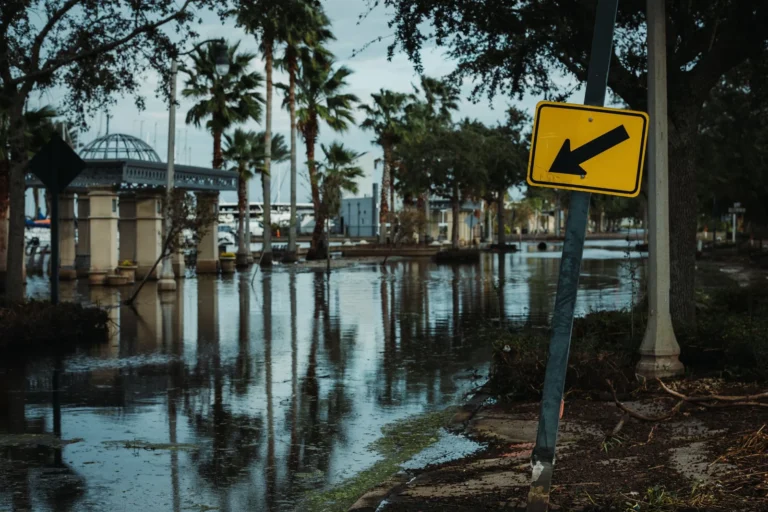
Every fall, typically September through November, Miami experiences king tides, the highest predicted tides of the year. When those tides rise above the elevation of adjacent land, streets and properties flood with no rain in sight. Sea level rise is making these events more frequent, longer-lasting, and further-reaching inland than they were a decade ago. Recent king tide seasons have flooded streets in Miami Beach and downtown, disrupting traffic and forcing businesses to close their doors.
Sea levels keep climbing
Water levels around South Florida have risen roughly eight inches since 1950, and regional planning bodies project another 10 to 17 inches above 2000 levels by 2040. In a region this flat, every inch translates directly into more flood days per year, deeper water when it arrives, and more properties inside the risk zone.
Flat terrain and aging drainage
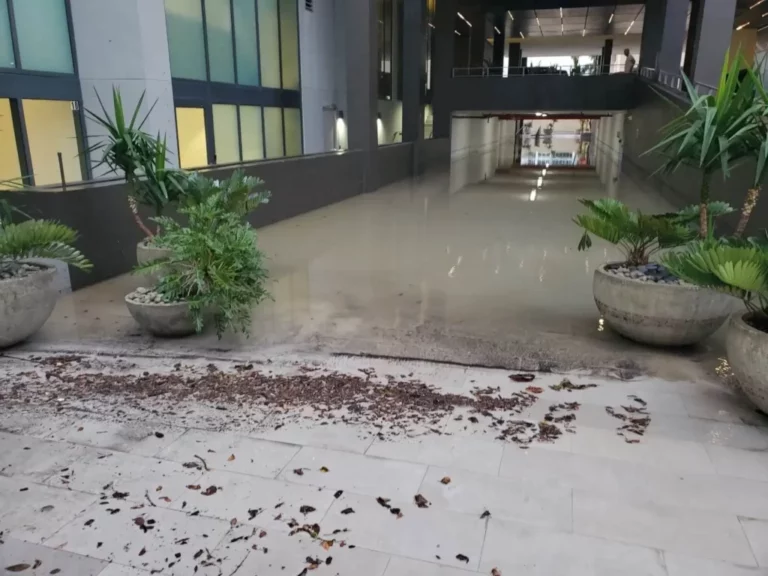
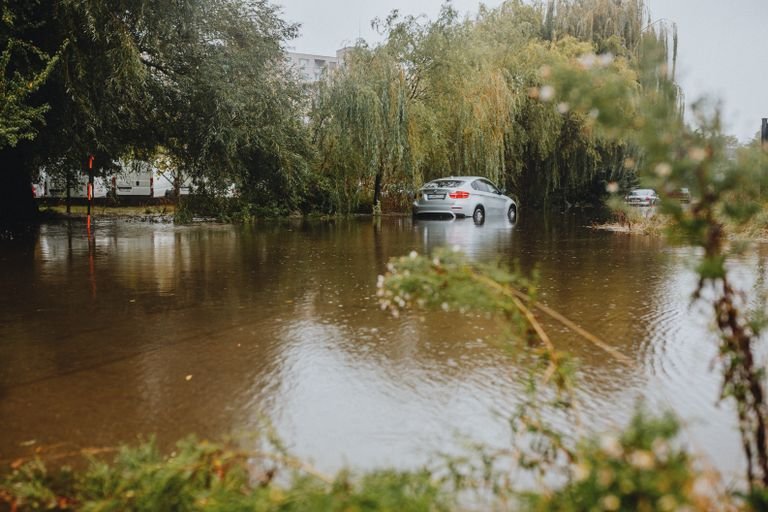
Miami’s flat topography and high water table make drainage difficult even in moderate rain. Intense summer downpours routinely outpace what the stormwater system can carry, turning parking lots, loading docks, and ground-floor lobbies into retention ponds.
What Miami Flooding Costs Businesses
The damage from Miami flooding isn’t limited to properties on the waterfront, and it isn’t limited to dramatic storm events.
- Direct property damage – FEMA estimates that even a single inch of floodwater inside a building causes tens of thousands of dollars in damage. For commercial properties with inventory, equipment, and finished interiors at ground level, the number climbs fast.
- Business interruption – Every day your doors are closed, or your customers can’t reach you because the street is underwater, is revenue you don’t recover. Standard flood insurance policies typically exclude business interruption losses entirely.
- Saltwater corrosion – King tide flooding is seawater. Salt accelerates damage to electrical systems, HVAC equipment, elevators, and vehicle fleets in ways freshwater flooding doesn’t.
Planning Ahead: A Flood Readiness Framework for Miami Properties
The good news: Miami flooding is one of the most predictable flood risks in the country. King tide dates are published in advance. Hurricane season runs on a calendar. Even afternoon storm patterns are seasonal. Predictability rewards preparation, and here’s what that looks like:
1. Know your specific risk, not just your flood zone
FEMA flood maps tell you whether you’re in a Special Flood Hazard Area. They don’t tell you which doorway water will enter first, how high it will get during a king tide versus a storm surge, or where your drainage fails. A site-specific flood risk assessment evaluates your actual building, including elevations, entry points, utilities, drainage, and gives you a protection plan built around how water behaves on your property.
2. Protect the entry points
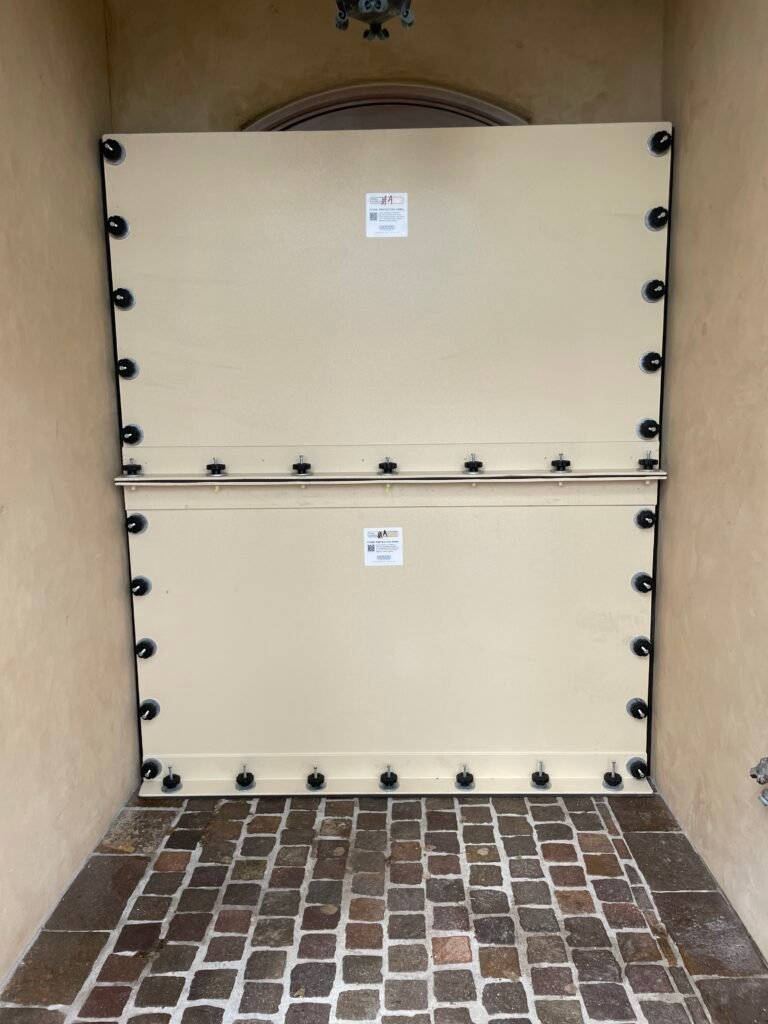
Water enters commercial buildings through predictable paths: doorways, loading docks, vents, garage entrances, and utility penetrations. Deployable flood barriers can seal these openings before water arrives, but only if the right barriers are specified for the right openings, and only if someone deploys them in time.
3. Have a deployment plan and a team behind it
If a king tide advisory is issued for Thursday, who at your facility is responsible for deployment? Do they know how? Are they even on site? For many Miami businesses, the honest answer is no one and not because staff don’t care, but because no one has ever been trained or assigned the job. That’s a fixable problem.
Flood Response Assistance works with your team to build a facility-specific deployment plan, then trains your people so everyone knows exactly who does what when the water is coming. And for businesses that can’t spare the staff, 24/7 emergency deployment services mean a trained response team deploys your protection so you can focus on running the business.
4. Practice before it’s real
Mock deployment training walks your team through a full barrier deployment under calm conditions, so the first real deployment isn’t also the first attempt. In a region where flood warnings can come with hours of notice, rehearsed speed matters.
5. Mark your calendar
Miami’s flood risk has a rhythm:
- May: Pre-hurricane-season readiness check – inspect barriers, confirm deployment plans, refresh training
- June–November: Hurricane season – monitor weather, keep response contacts current
- September–November – King tide season – know the published tide dates and pre-stage protection for the highest tides
- Year-round: Summer downpours can trigger flash flooding with minimal warning
Don’t Wait for the Water
Miami flooding is a recurring, scheduled, measurable reality, and the businesses that weather it best are the ones that planned ahead while the streets were still dry.
Flood Response Assistance provides site-specific flood risk assessments, 24/7 emergency flood barrier deployment, mock deployment training, and custom flood protection solutions for commercial properties. Whether you need a protection plan built from the ground up or a response team you can call when the tide turns, we’re ready before the water rises.
Contact Flood Response Assistance today to schedule your free flood risk assessment.