 +1 (561) 644-3311
  info@floodresponseassistance.com
How to Prepare for Hurricane Season 2026
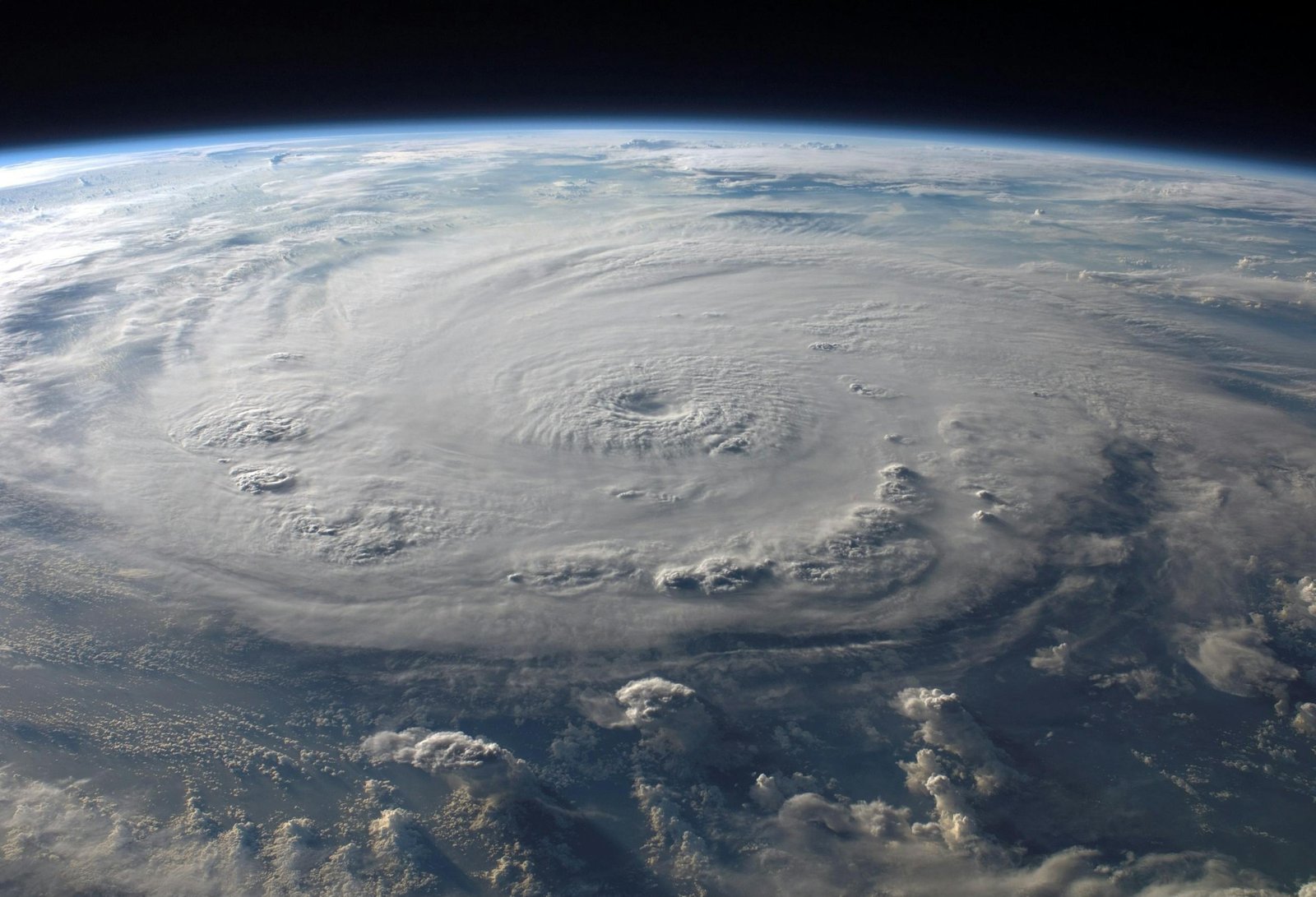
Hurricane season comes with the same rhythm every year – forecasts in spring, watches and warnings through summer, and a long stretch of waiting to see whether your property ends up in the cone.
The 2026 season is shaping up a little differently. Forecasters are calling for a below-average hurricane season 2026 thanks to expected El Niño conditions, but the same line that follows every seasonal outlook applies just as much in a quiet year as a busy one: it only takes one storm to put your property underwater.
Here’s what the hurricane season 2026 forecasts are showing, why preparation still matters, and what flood response planning should look like before June 1.
What the 2026 Forecasts Are Saying
The Atlantic hurricane season runs from June 1 through November 30, 2026. Several of the major forecasting groups have weighed in:
- Colorado State University (April outlook): 13 named storms, 6 hurricanes, 2 major hurricanes
- Tropical Storm Risk: 12 named storms, 5 hurricanes, 1 major hurricane
- The Weather Channel: 12 named storms, 6 hurricanes, 2 major hurricanes
- North Carolina State University: 12 to 15 named storms, 6 to 9 hurricanes
- University of Arizona (the most aggressive forecast): 20 named storms, 9 hurricanes, 4 major hurricanes, with an above-average ACE index
The spread between forecasters is wider than usual this year, which itself is a useful signal: there’s real uncertainty in how the season will unfold.
Why Most Forecasters Are Leaning Quieter
The headline factor is El Niño. La Niña has ended, neutral conditions have moved in, and El Niño is expected to develop in the coming months. Some long-range models suggest it could be a strong “Super El Niño,” with Pacific sea surface temperatures running well above average.
El Niño tends to suppress Atlantic hurricane activity by ramping up wind shear in the upper atmosphere over the Atlantic basin. Strong upper-level winds tear developing storms apart before they can fully organize. Even when the other ingredients are in place, including warm water, moisture, and instability, high shear keeps storms from reaching their potential.
CSU’s April analysis flagged that Atlantic wind shear in 2026 could be the second-highest since 1981, trailing only the 2015 season. That’s why most groups are projecting fewer storms than in recent years.
The Catch With “Below Average”
A below-average hurricane season 2026 can still be devastating. The 2025 Atlantic season was above-normal, including 13 named storms, 5 hurricanes, 4 major hurricanes, and saw three Category 5 hurricanes in Erin, Humberto, and Melissa. Seasonal totals are useful for emergency managers, insurers, and supply chain planners, but they don’t tell an individual property owner what the year will look like at their address.
A property in the path of one major hurricane in an otherwise quiet season experiences the same damage it would have in a busy one. The forecast that matters for your building is the one for the storm that finds your zip code.
There’s also forecast uncertainty in the El Niño timing itself. If El Niño develops slowly or weaker than projected, the wind shear suppression won’t be as effective and the season could come in more active than the headline numbers suggest.
What Flood Response Looks Like Before June 1
The most valuable preparation work is the work that takes the longest lead time. Once a storm enters the forecast cone, it’s too late to start ordering hardware, training staff, or writing a deployment plan from scratch. Use the spring window to:
- Get a current flood risk assessment – Identify every ground-level opening that could admit floodwater: doors, garages, loading docks, window wells, basement access, utility penetrations, below-grade equipment. Confirm the design flood elevation each location should be protected against. Look up your FEMA flood zone designation if you don’t have it on file.
- Inspect any flood protection hardware you already own – Check gaskets for cracking and compression set, fasteners for corrosion, and overall storage condition. Confirm seals haven’t degraded since the last deployment or inspection.
- Run a mock deployment – Time it. Identify gaps. The first time staff handle a barrier shouldn’t be in the dark, in the rain, with a hurricane bearing down. Mock deployments expose the issues a written plan never catches: a missing tool, a confused handoff, a panel that doesn’t fit because someone repainted the doorframe last winter.
- Update your flood emergency plan – Make sure the plan reflects current staff, current property layout, and current contact information. Confirm there’s a trained backup person for any critical role.
- Confirm your activation triggers and chain of command – Who calls the deployment? At what forecast threshold? Who confirms the all-clear?
If You Don’t Have a Flood Response Plan Yet
If your property is in a flood-exposed area and there’s no formal flood response plan in place, the time to start the conversation is now, not after a storm makes landfall. Custom flood barriers typically have a four-to-six-week lead time, and lead times stretch further during peak season as fabricators work through surge demand.
The right setup depends on your property type, your flood exposure, and your operational realities. Commercial properties in coastal storm surge zones often need a combination of deployable and passive protection, paired with documented deployment procedures and FEMA dry floodproofing certification. Critical facilities like hospitals, data centers, utilities, among others, warrant the most rigorous engineering and a layered defense.
Insurance and Documentation
Hurricane season is not the time to first buy flood insurance. Most policies have a 30-day waiting period from purchase to coverage, which means a policy bought in August won’t cover a September storm. Standard property policies don’t cover flood damage – that coverage comes through the National Flood Insurance Program (NFIP) or a private flood carrier.
If you have flood mitigation hardware in place, document it. Sealed engineering drawings, FEA reports, certified deployment procedures, and photos of installed components are all worth providing to your underwriter. Mitigation can affect both insurability and premium pricing, particularly in higher-risk commercial zones.
The Bottom Line
Hurricane season 2026 is forecast slightly below average, but “below average” is still well above zero, and the only forecast that matters for your property is the one for the storm that finds your address. Treat the quieter outlook as an opportunity – the prep work that’s hard to fit in during an active season is exactly what should be happening now.
If you’d like to walk through your property’s flood exposure and what your response should look like before the season ramps up, contact Flood Response Assistance today. Our team is ready to help.